Welcome to our Community Hub that displays an overview of the latest proposals for Standon House, 21 Mansell Street, London E1 8AA.
We appreciate you visiting our consultation website and sharing your views on the developing plans for Standon House.
We are committed to continued consultation with the local community. We are keen to hear any questions you might have and to know what you think about the emerging proposals.
We look forward to receiving your feedback and sharing further details throughout the process.
The property is located within the London Borough of Tower Hamlets.
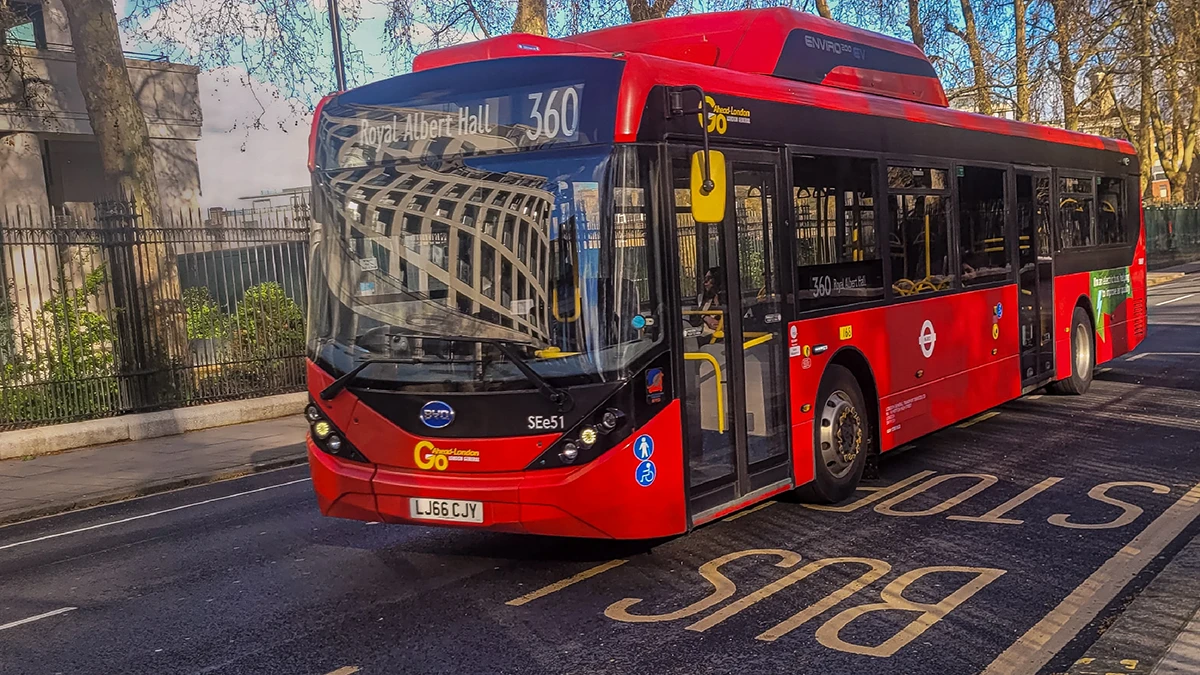
Located on the corner of Mansell Street and Braham Street, the building enjoys excellent connectivity. Aldgate and Aldgate East Underground stations are just a short walk away, while the new Crossrail station at Whitechapel is easily reached by a quick bus journey. With the A11 providing a direct route into Central London from the east, the location is ideally positioned for both commuters and visitors.
The intersection of Aldgate and Whitechapel is one of London’s most vibrant and dynamic locations. The area has a wide variety of bars, restaurants and coffee shops within the immediate vicinity, as well as the renowned Whitechapel Gallery, St Botolph Without Aldgate Church, and the bustling Brick Lane.
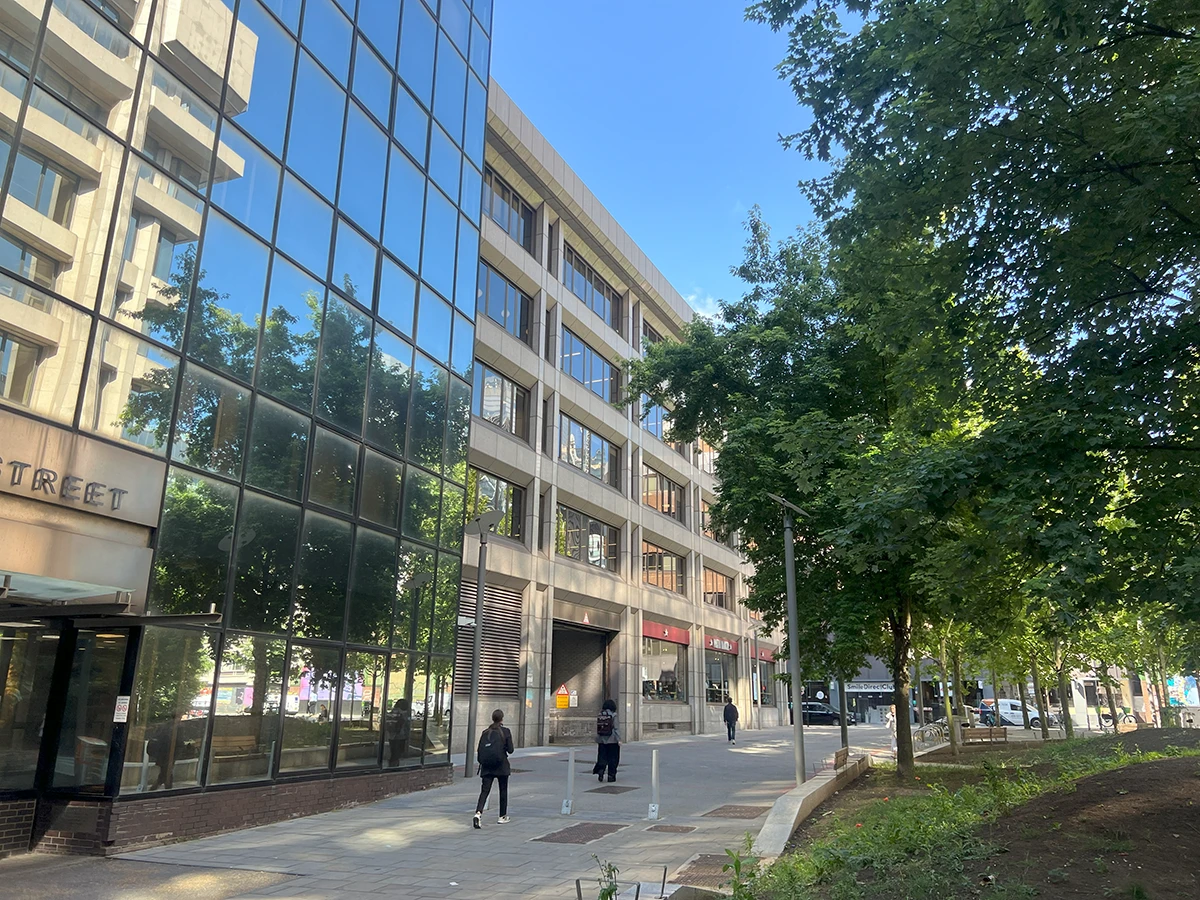
Approach down Braham Street
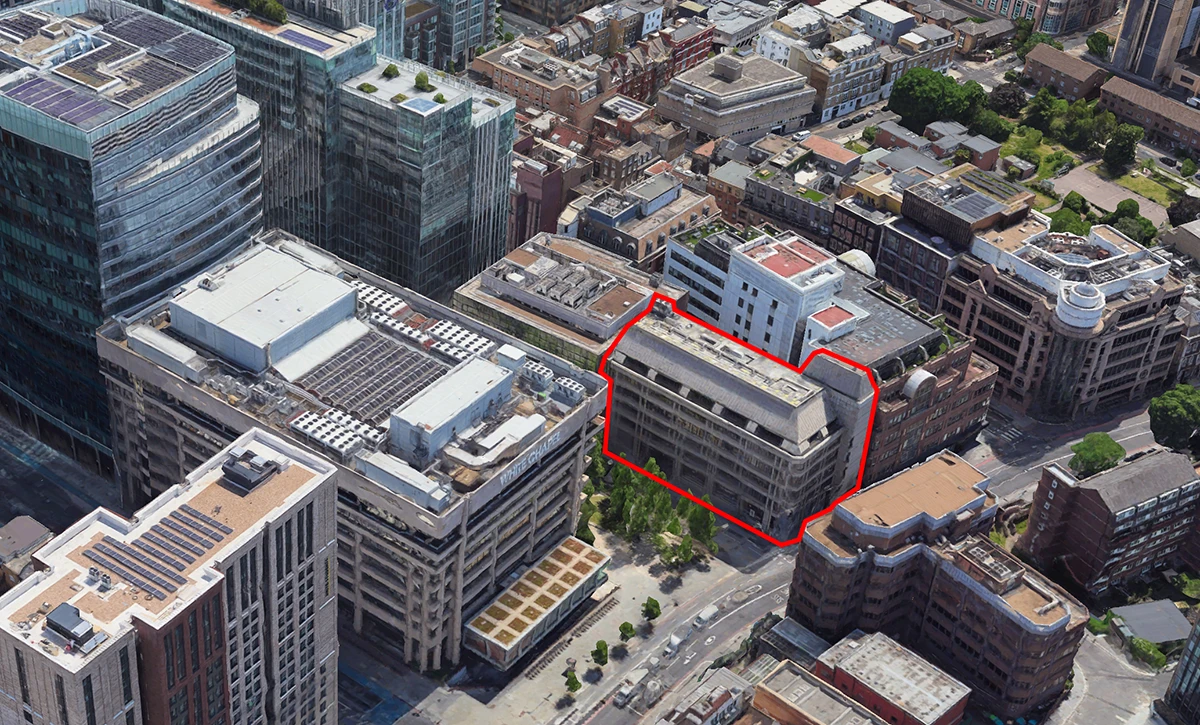
Bird’s-Eye View of the Site and Surrounding Context
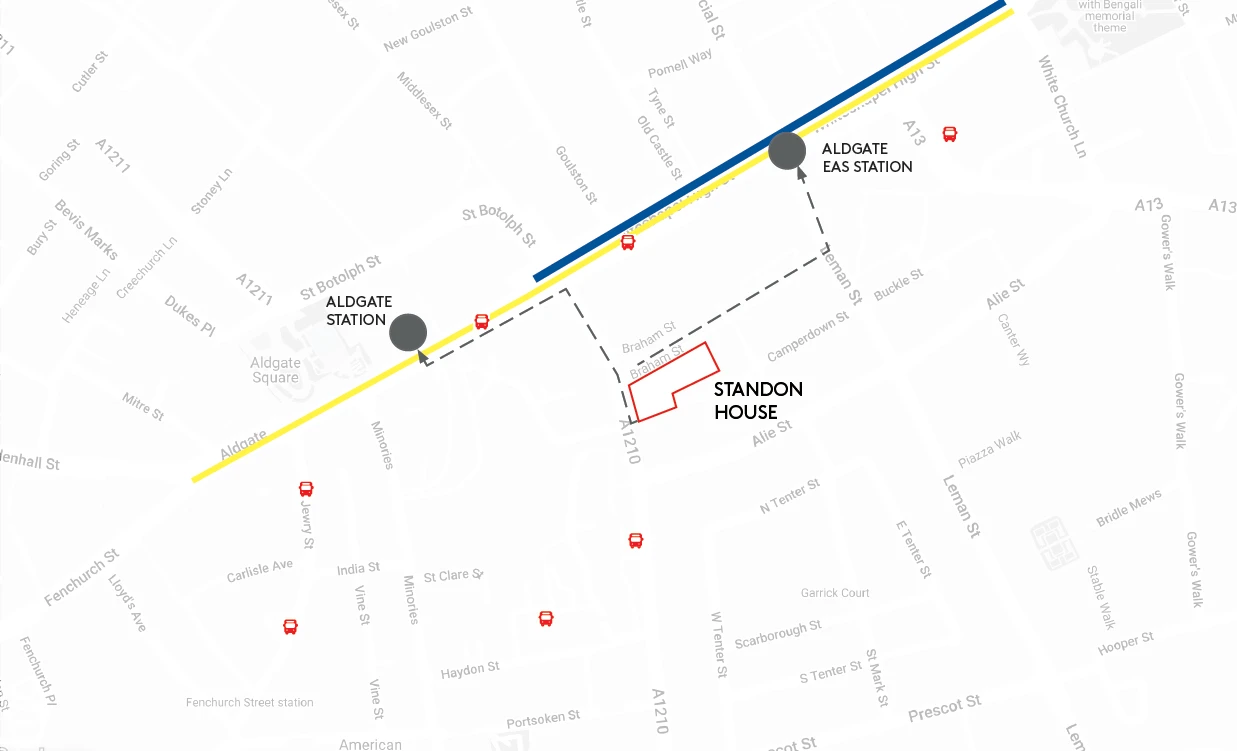
Site Location
Standon House was constructed between 1982 and 1984 for the Sedgwick Group. It is a seven-storey office building made of concrete, with the roof space arranged over two levels. The upper level is a set-back mezzanine.
Although the building was refurbished in 2001, it now faces challenges in securing tenants in a competitive commercial market where energy performance and environmental standards, such as BREEAM, are highly valued.
A Pret occupies the ground floor, accessed via a short flight of five steps from Mansell Street.
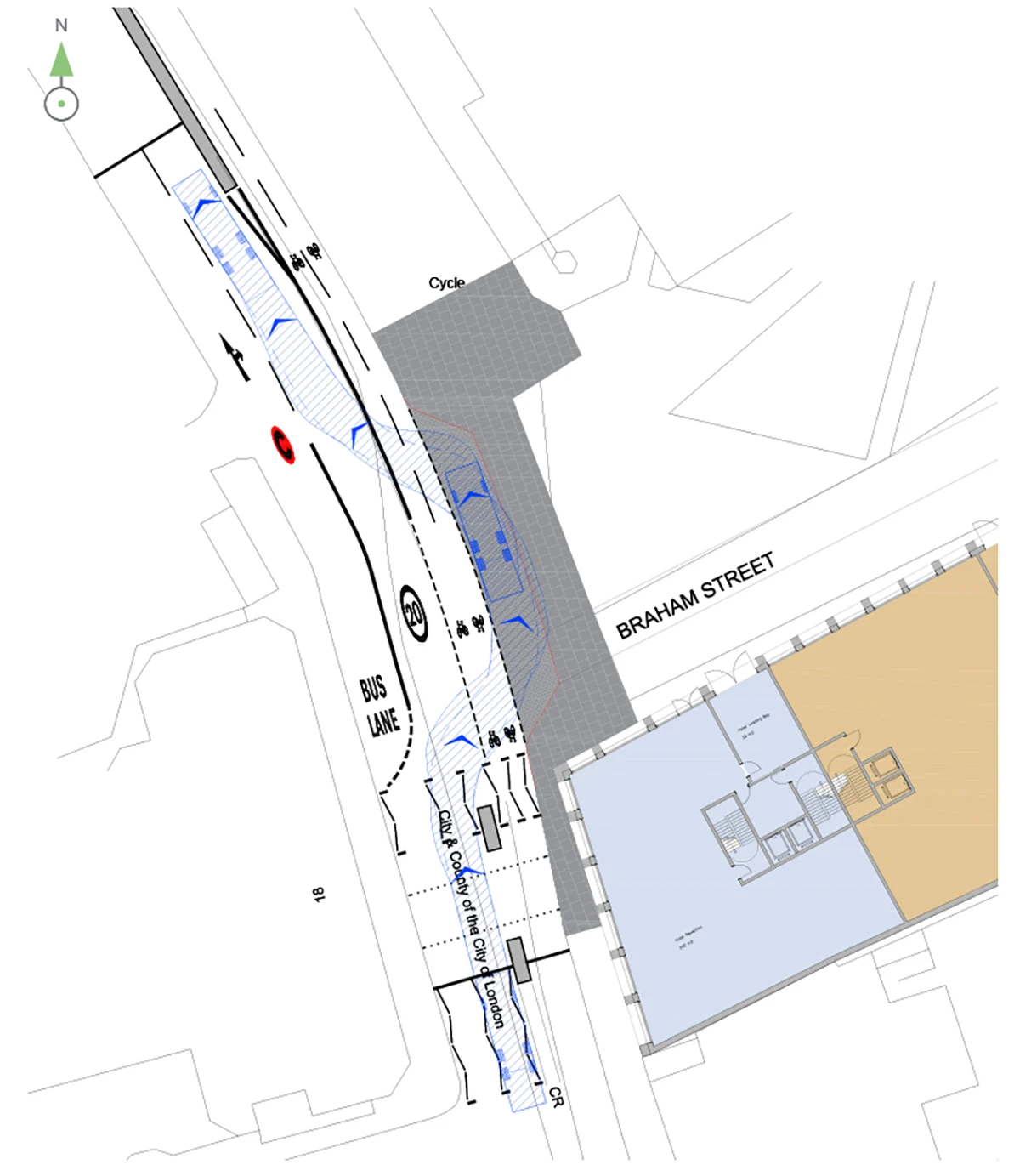
Servicing for the building is located on Braham Street, where the public area has recently been paved over.
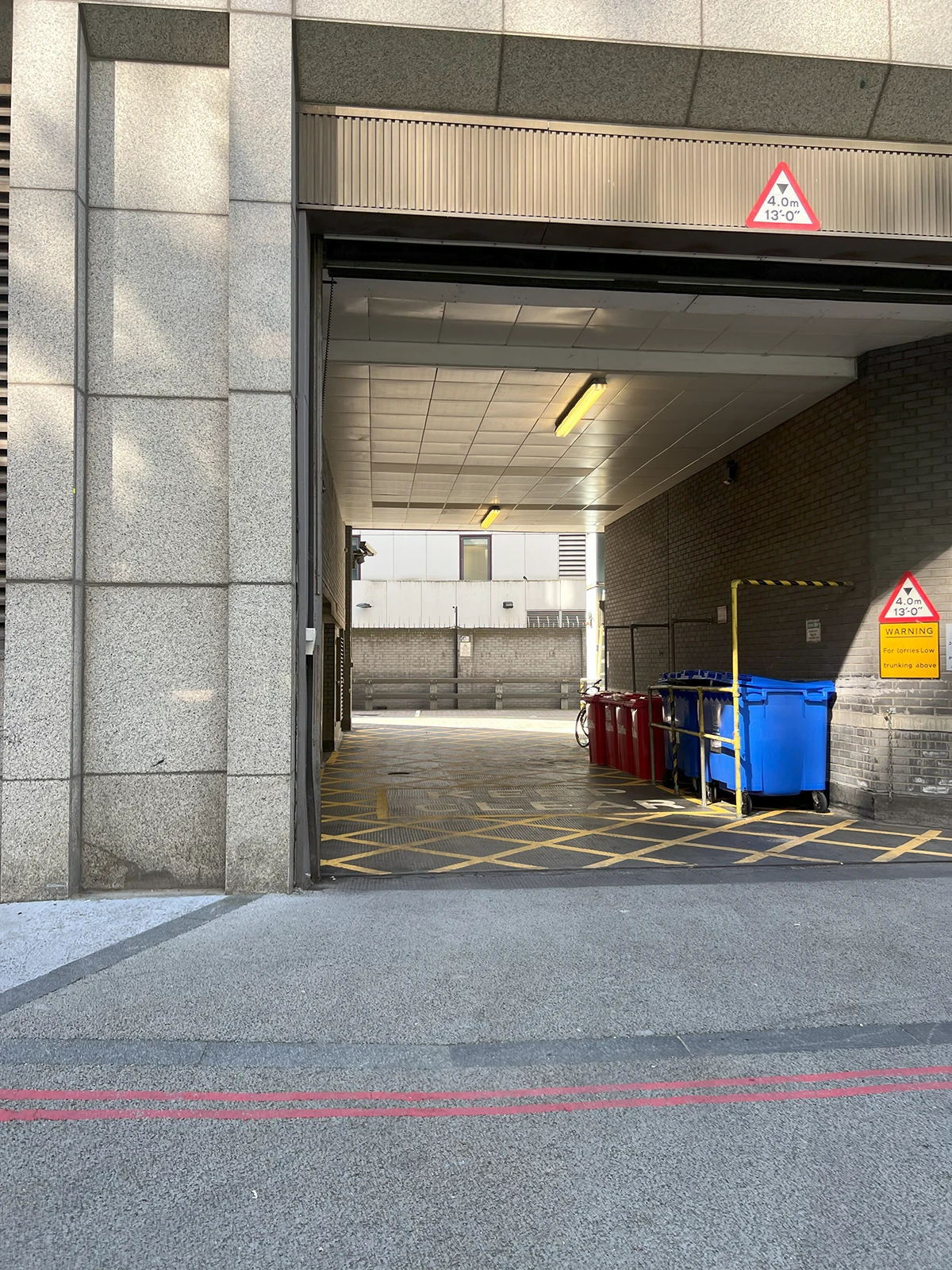
Braham Street Servicing
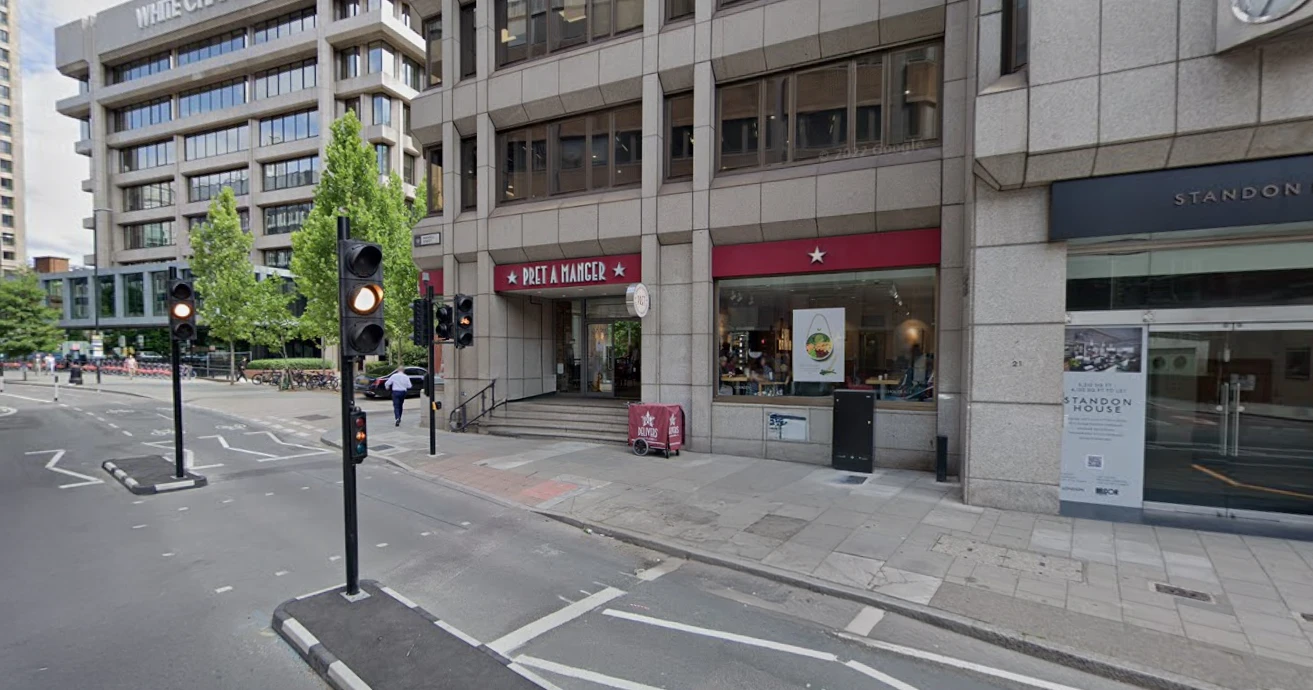
Existing Level Change
Standon House sits in Aldgate, at the heart of the Central Activities Zone (CAZ) and the Aldgate Tall Buildings Zone. The London Borough of Tower Hamlets adopted Planning Policy infers the site is ideal for high density, mixed use development, favouring the retention or replacement of office space. It could also accommodate resident, co-living, student housing or hotel uses.
The site lies within the Core Growth Area of the City Fringe Opportunity Area, a key focus for urban regeneration. Aldgate’s skyline blends mid-rise and tall buildings, from Brutalist icons like the Whitechapel Building to Victorian and modern glass developments. Recent trends favour brick and stone for tall buildings, adding warmth and texture to the area.
This dynamic layering of architectural styles reflects the area’s evolution from postwar reconstruction to contemporary regeneration. The location of Standon House is therefore well-suited for a new high-quality development that contributes positively to the surrounding townscape while carefully managing impacts on sensitive heritage assets and protected views, such as those of the Tower of London.
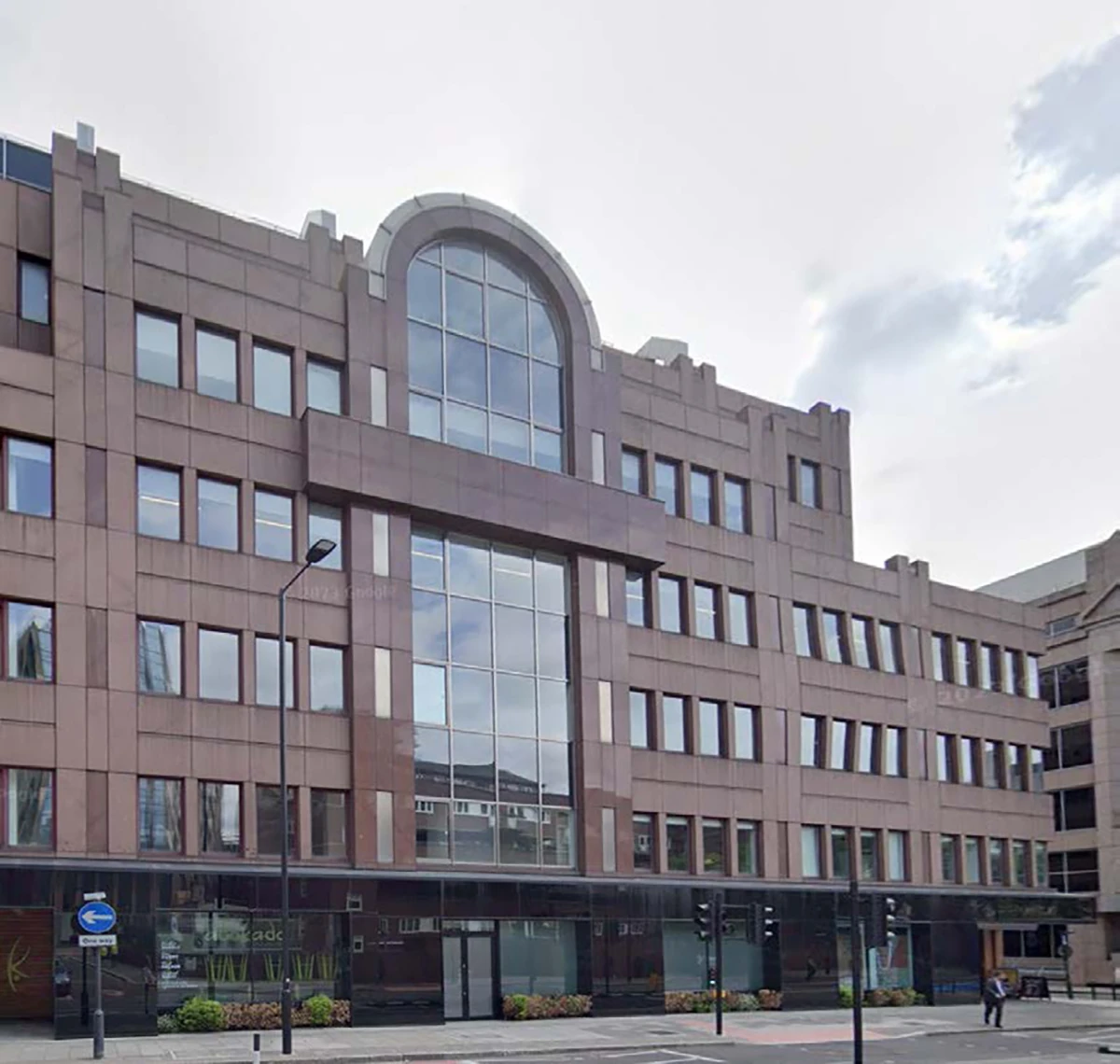
30 Mansell Street
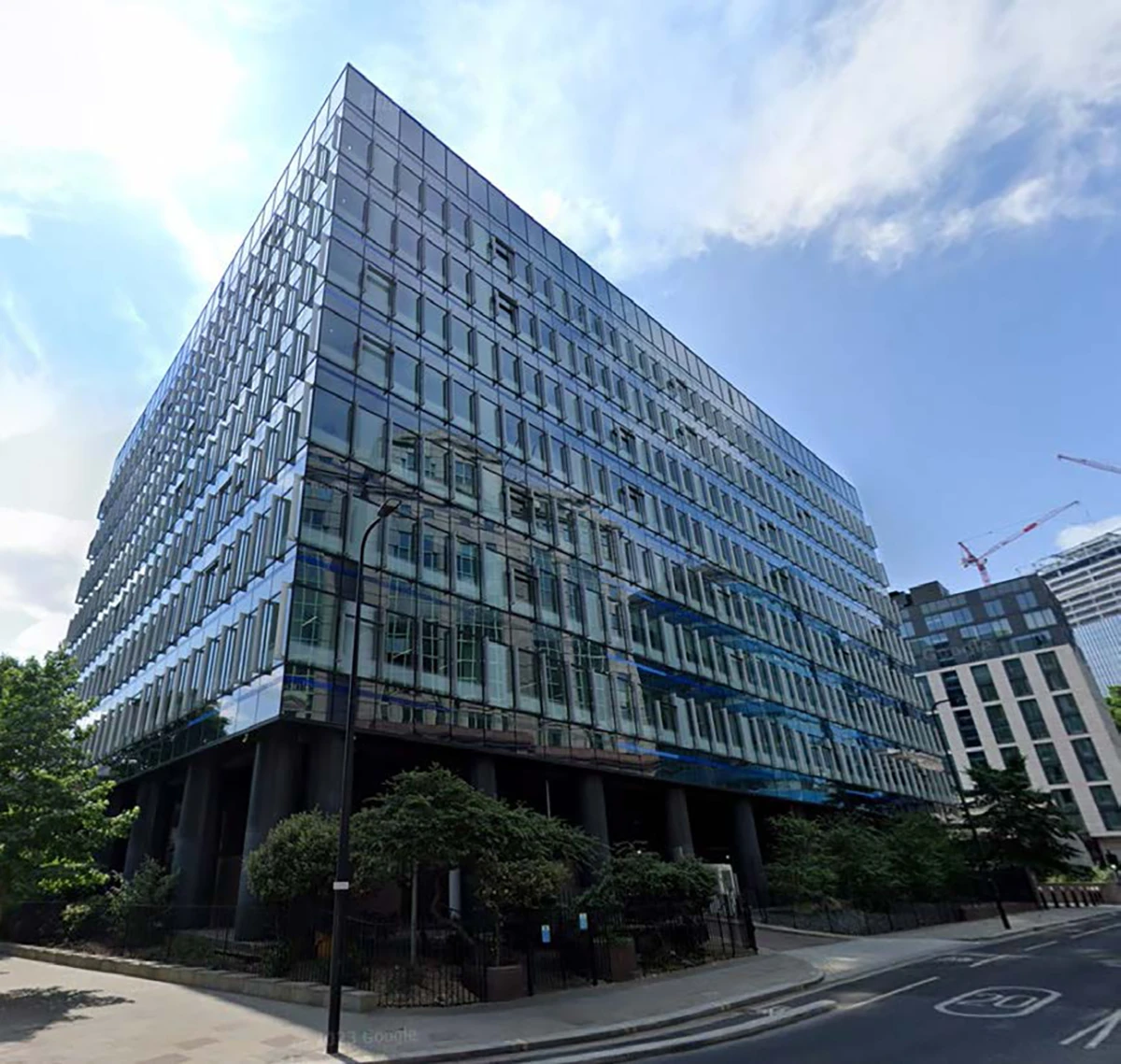
Aldgate House
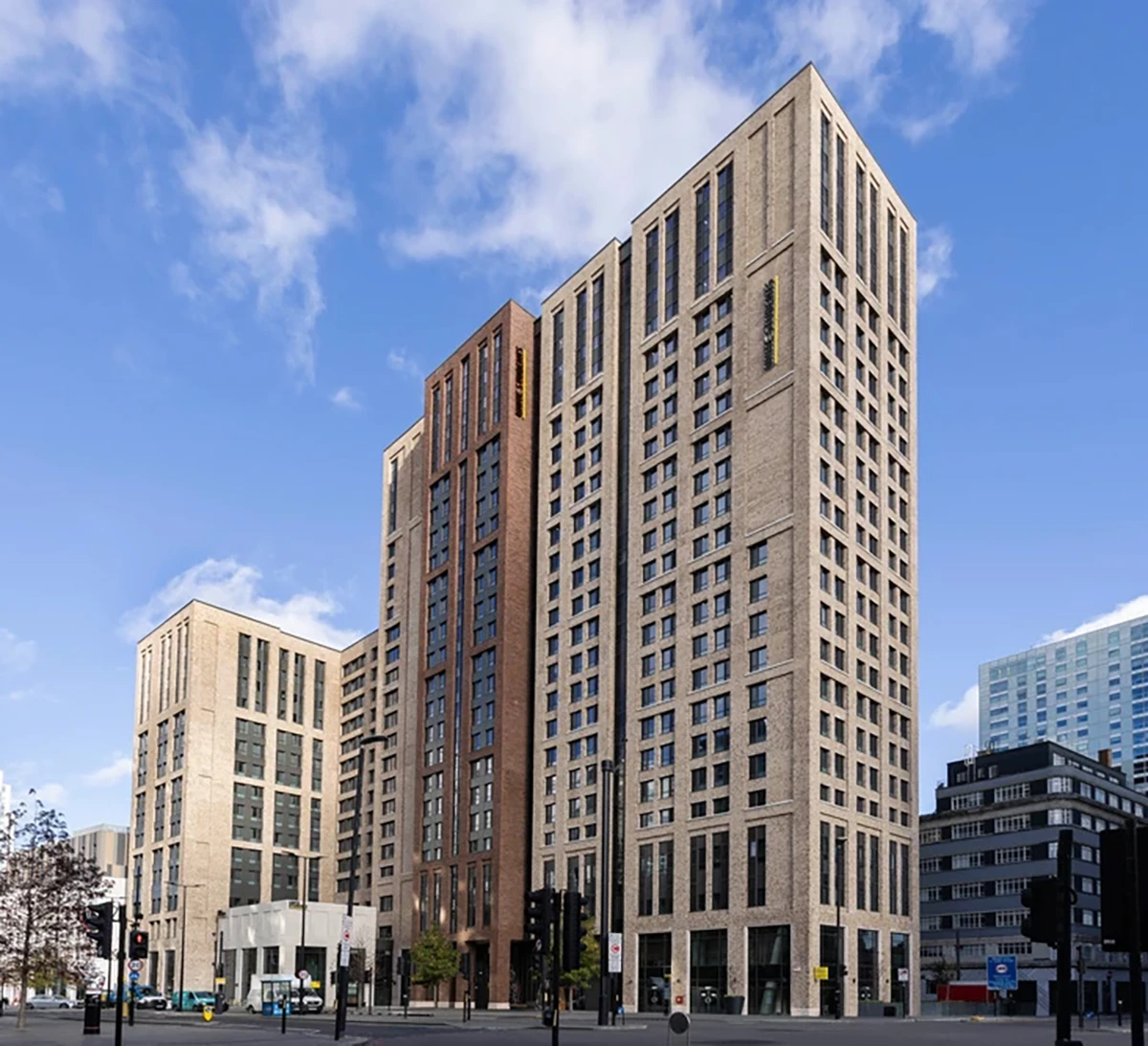
Hayloft Point
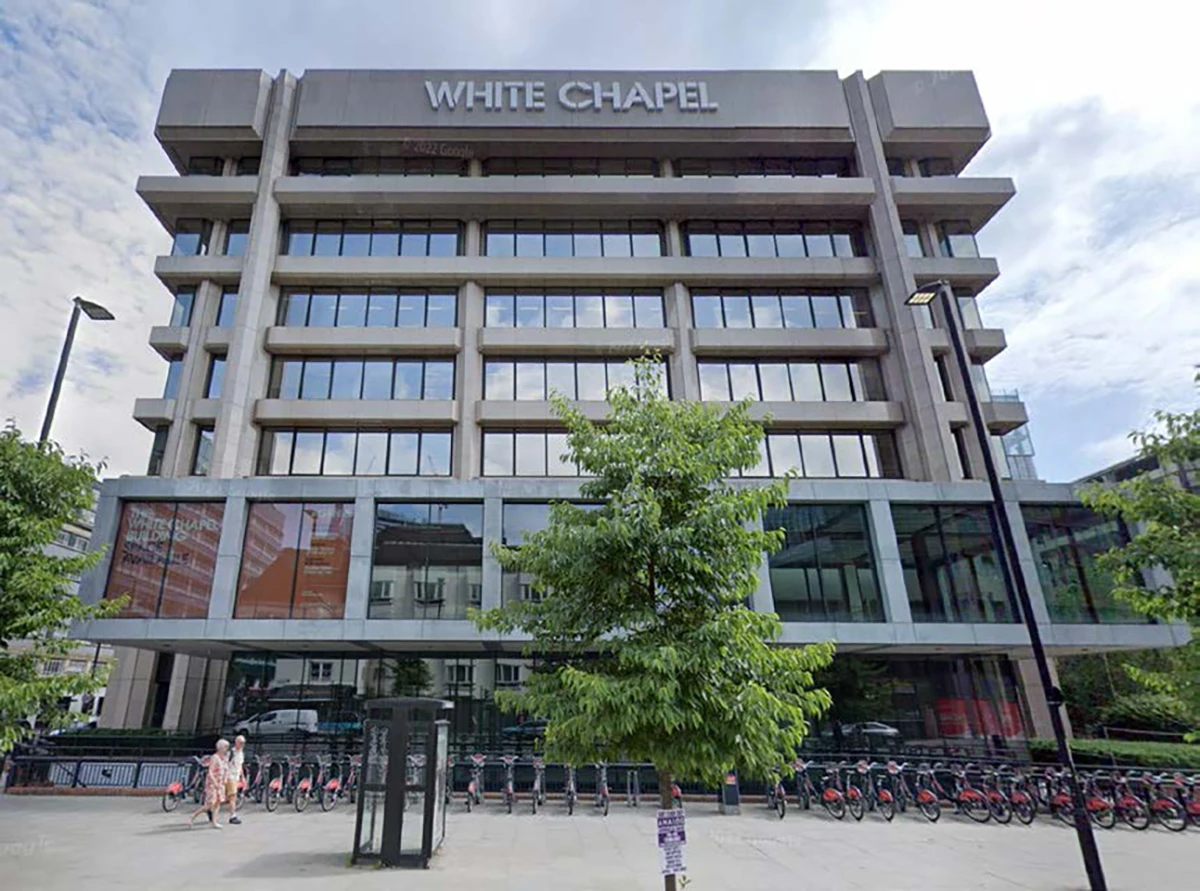
White Chapel Building
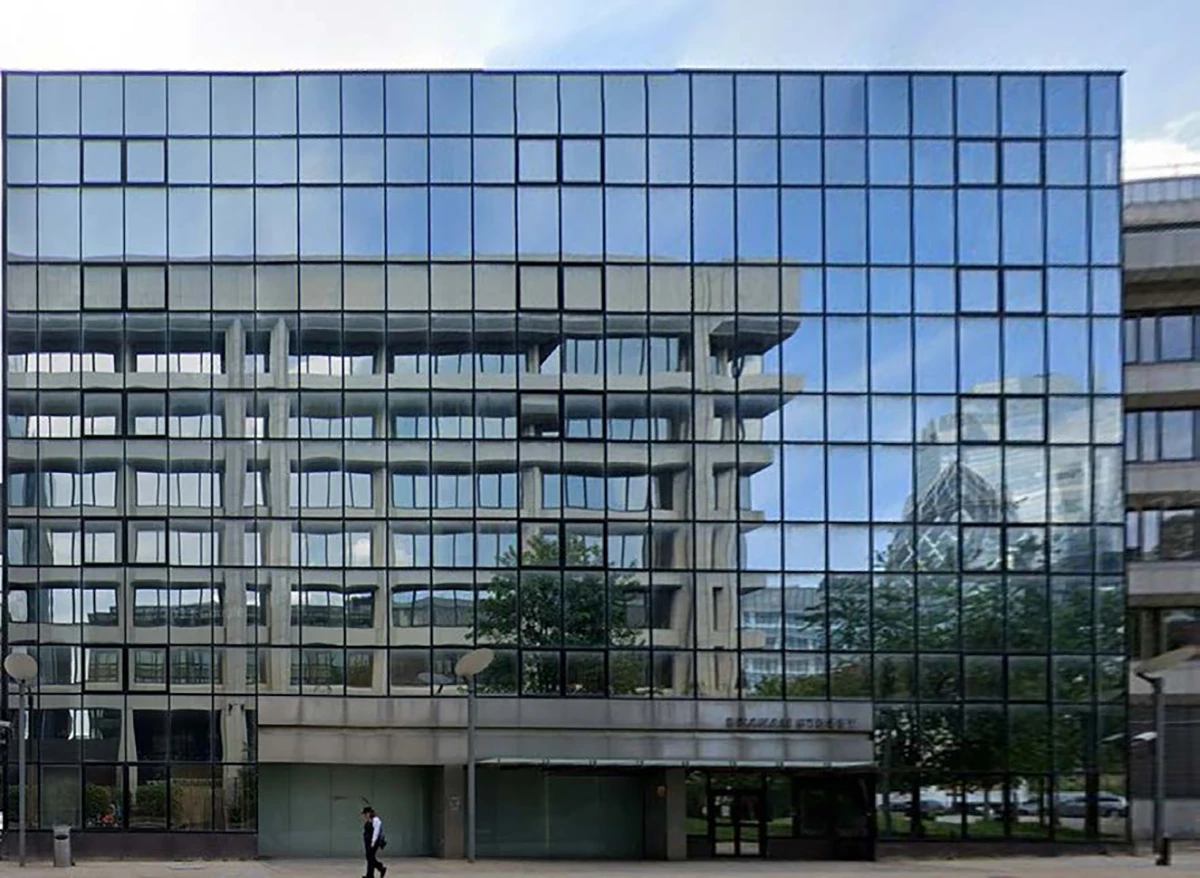
Pacific Television Centre
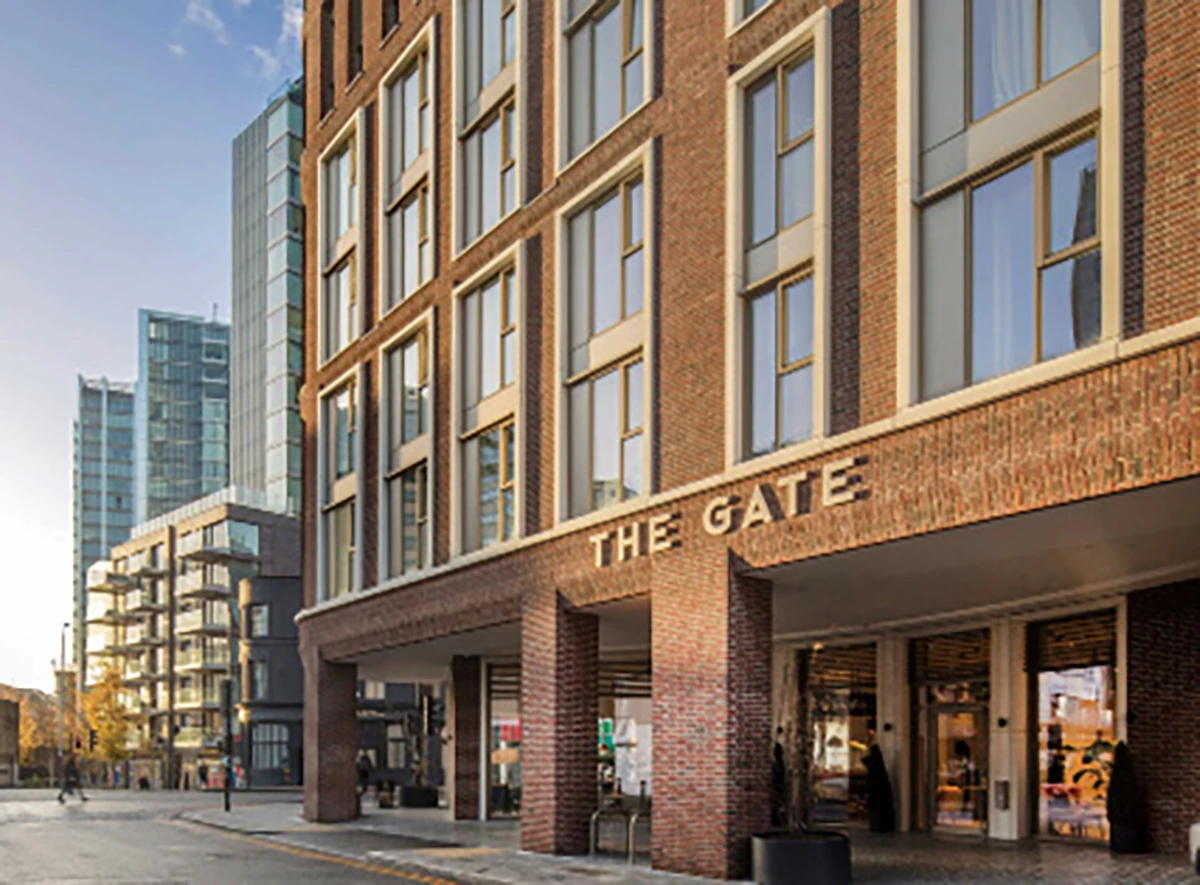
The Gate Hotel
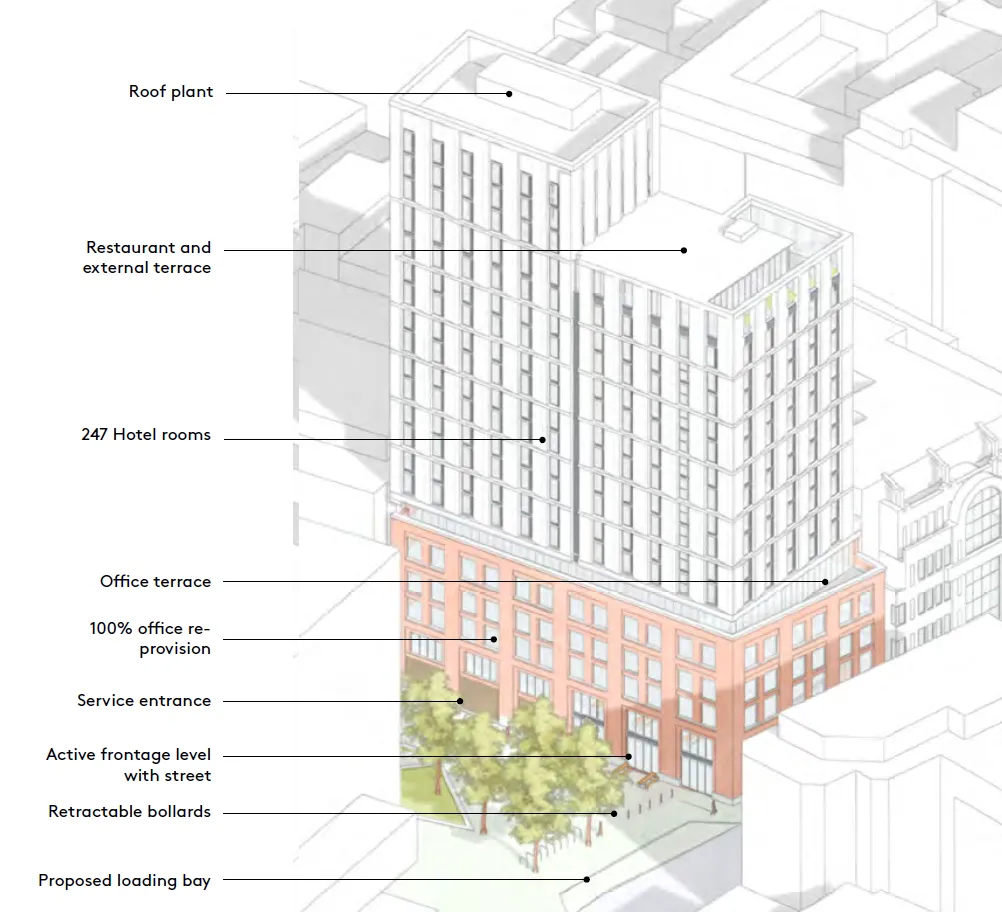
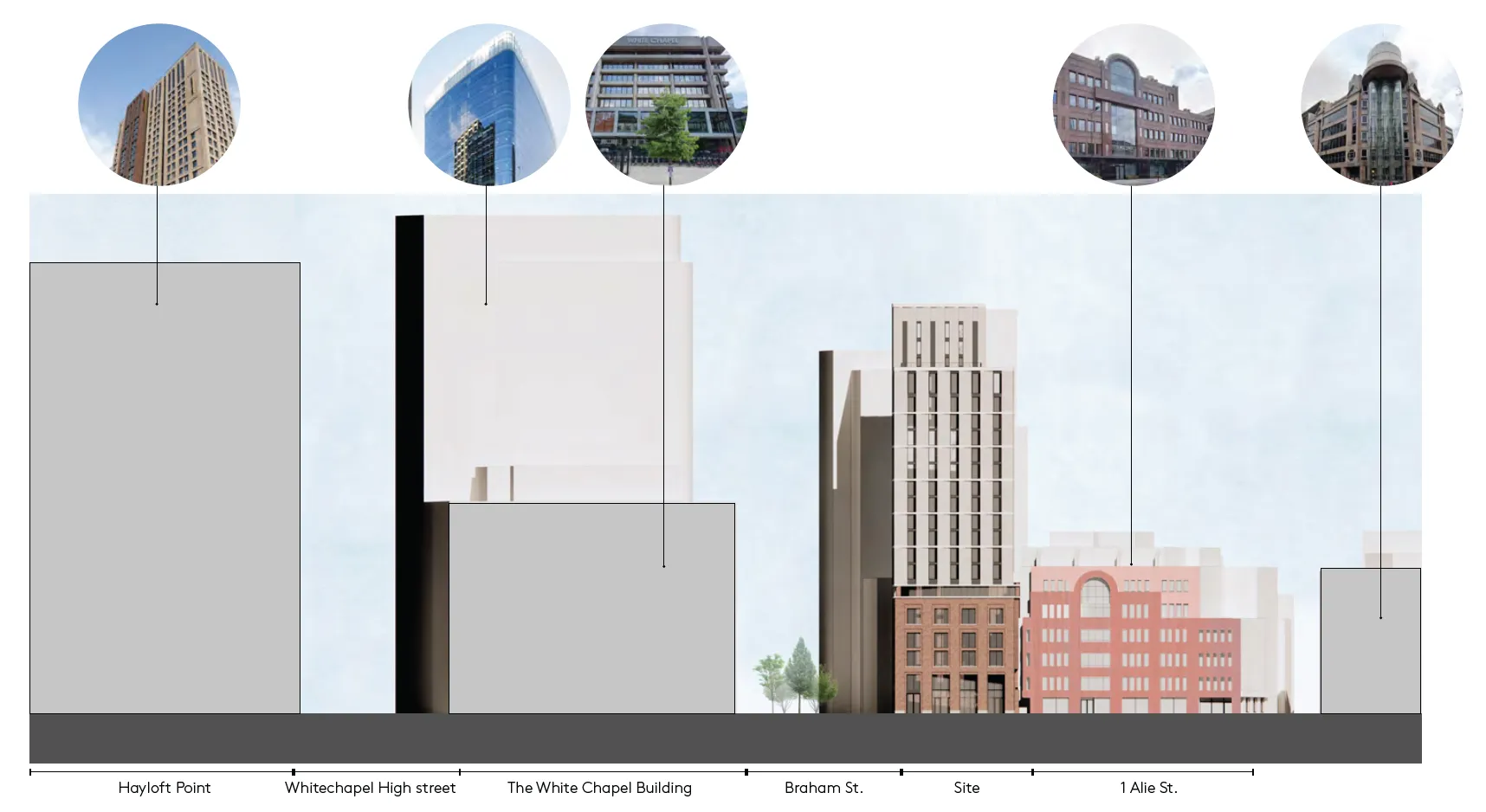
Mansell Street Elevation

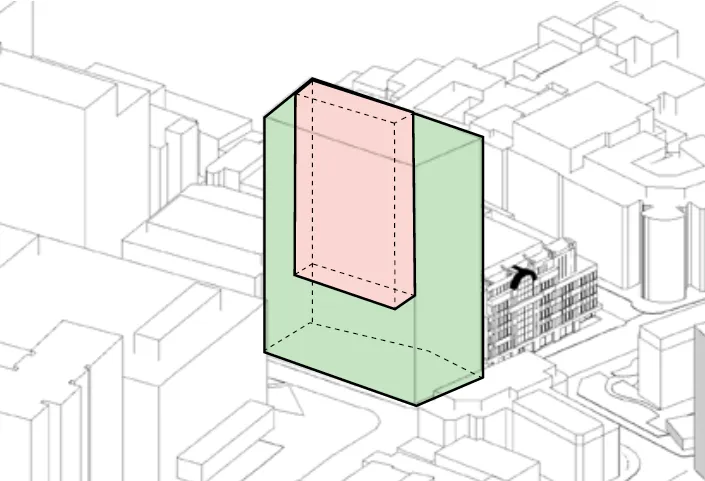
Use the site’s footprint to its full potential and carve out part of the massing to enable quality daylighting throughout.
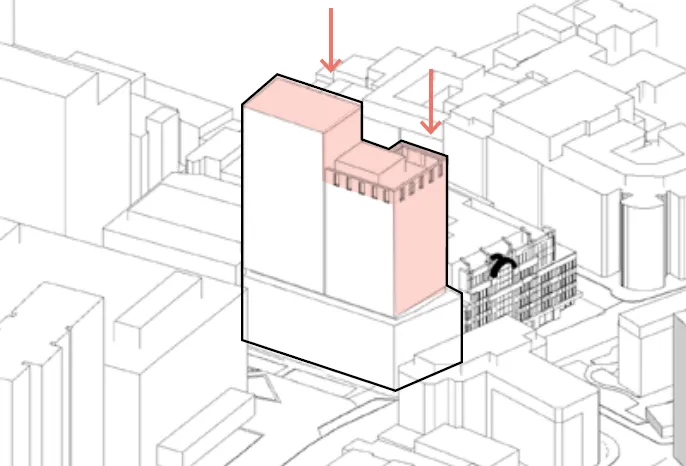
The protected views of the Tower of London have helped inform the building’s height and massing.
Strategic set backs and cranks in the face are used to ensure the building sits comfortably in its context and protected heritage views.
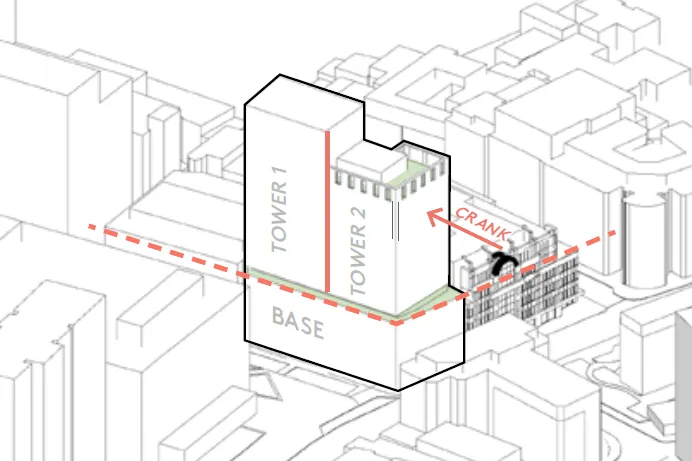
The building is articulated as three elements; a base and two towers. The base echoes the lower building line and is separated from the towers above by a glazed band.
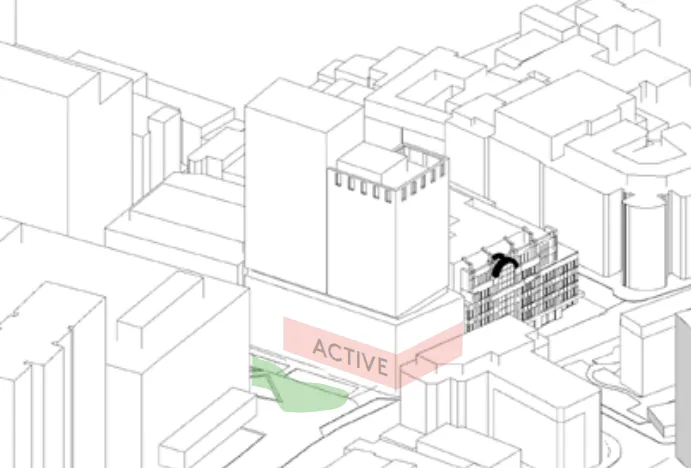
Improve the public realm and activate the frontage along Braham Street and Mansell Street. In addition, there will be a publicly accessible hotel restaurant on the 17th floor, with spectacular views of the city.
The proposal’s massing is divided into a solid brick base with punched openings that responds to the form and materiality of its neighbours, with a lightweight and neutral ‘top’ that will sit back behind the protected views of the Tower of London.
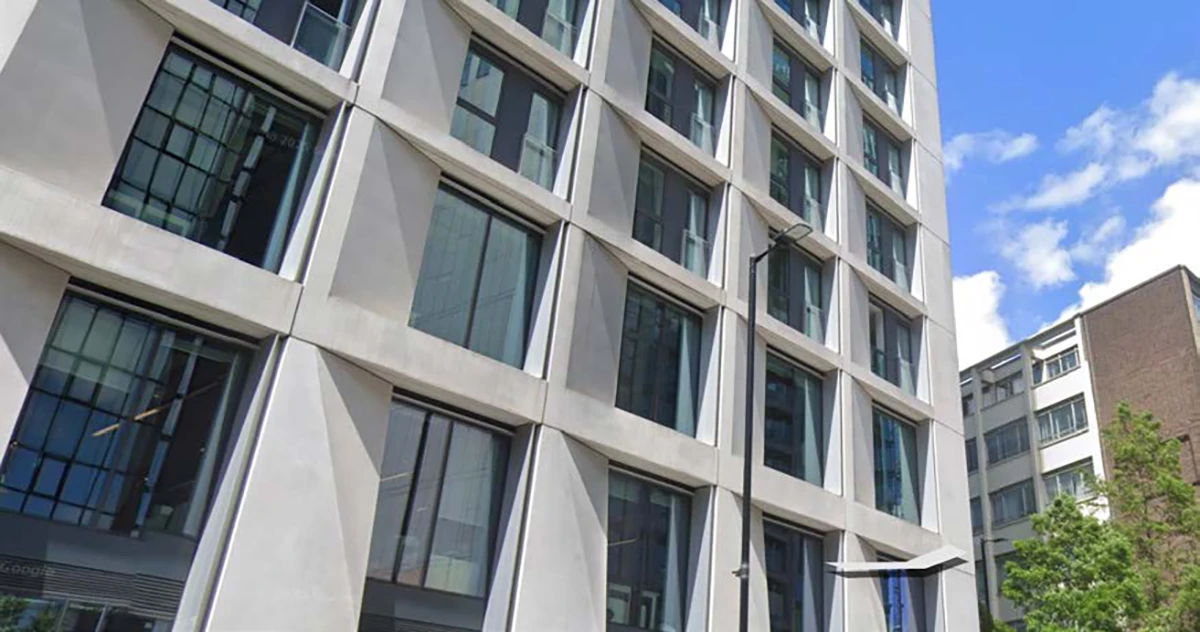
Chamfered precast concrete panels
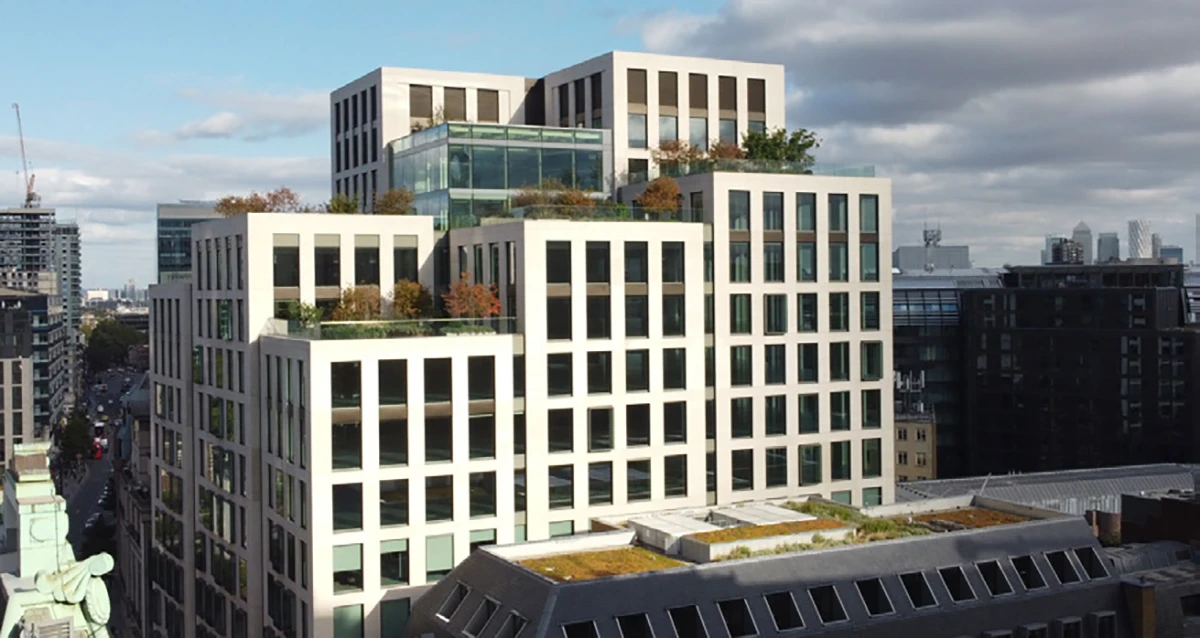
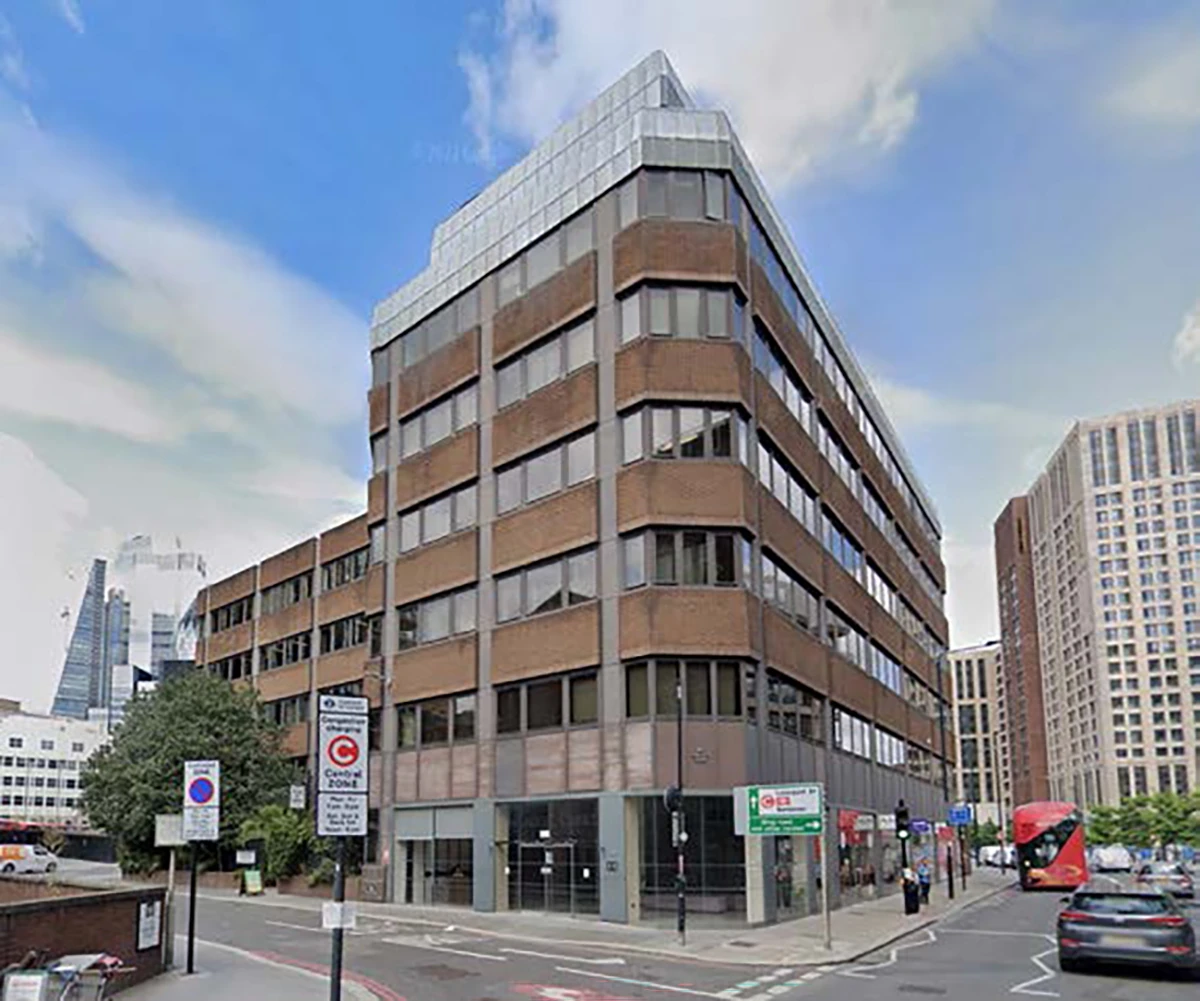
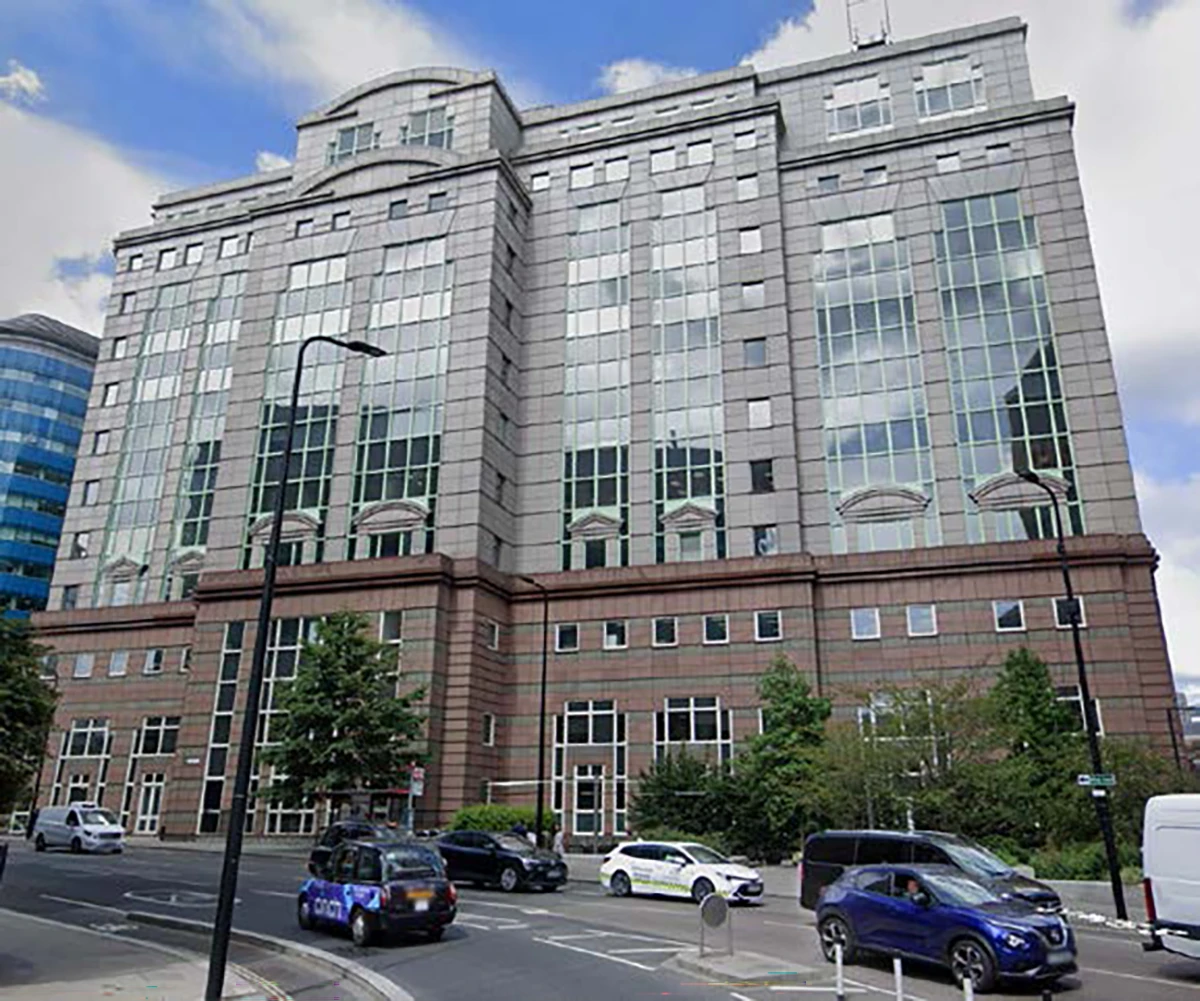
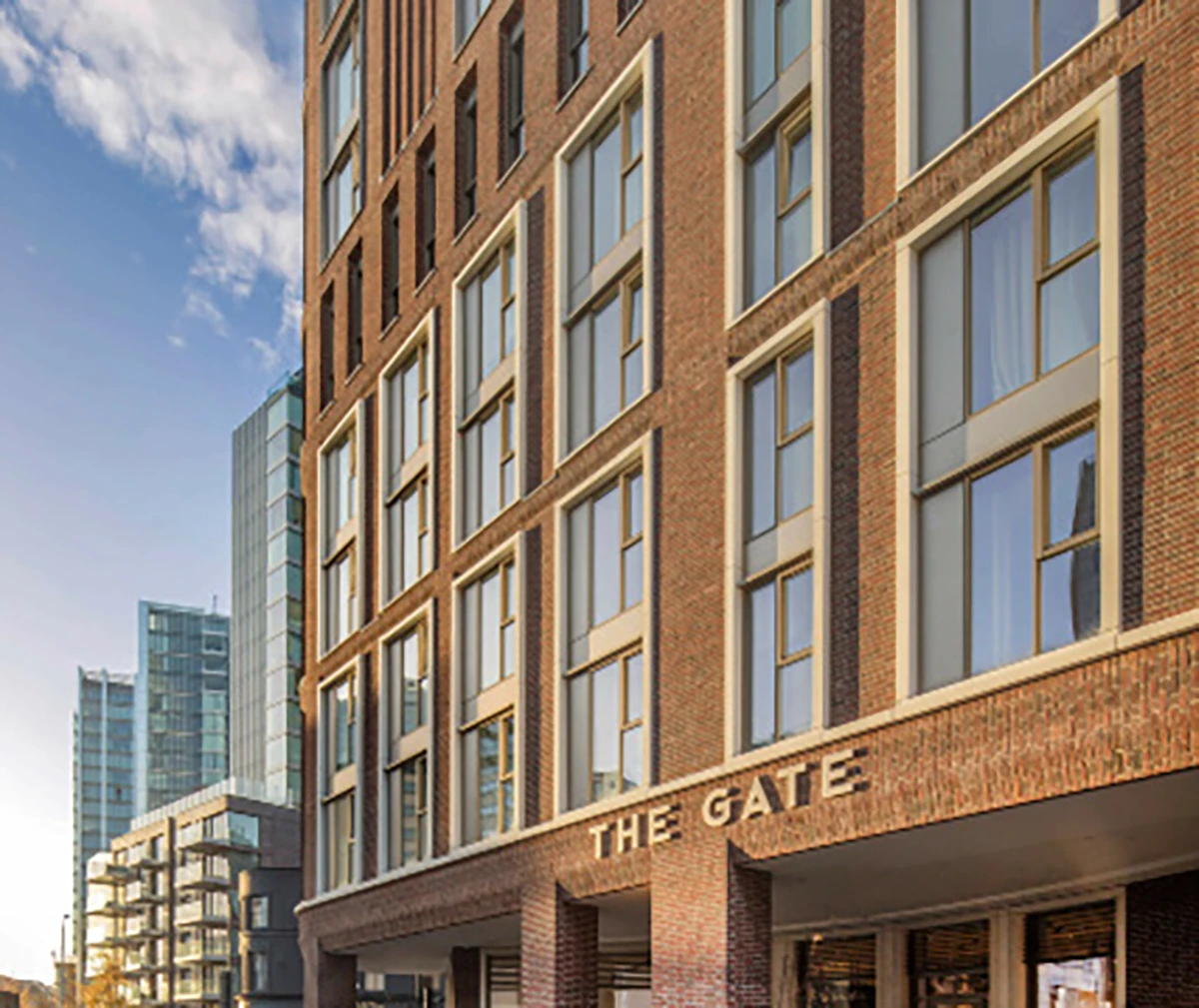
Solid red hues in surrounding context

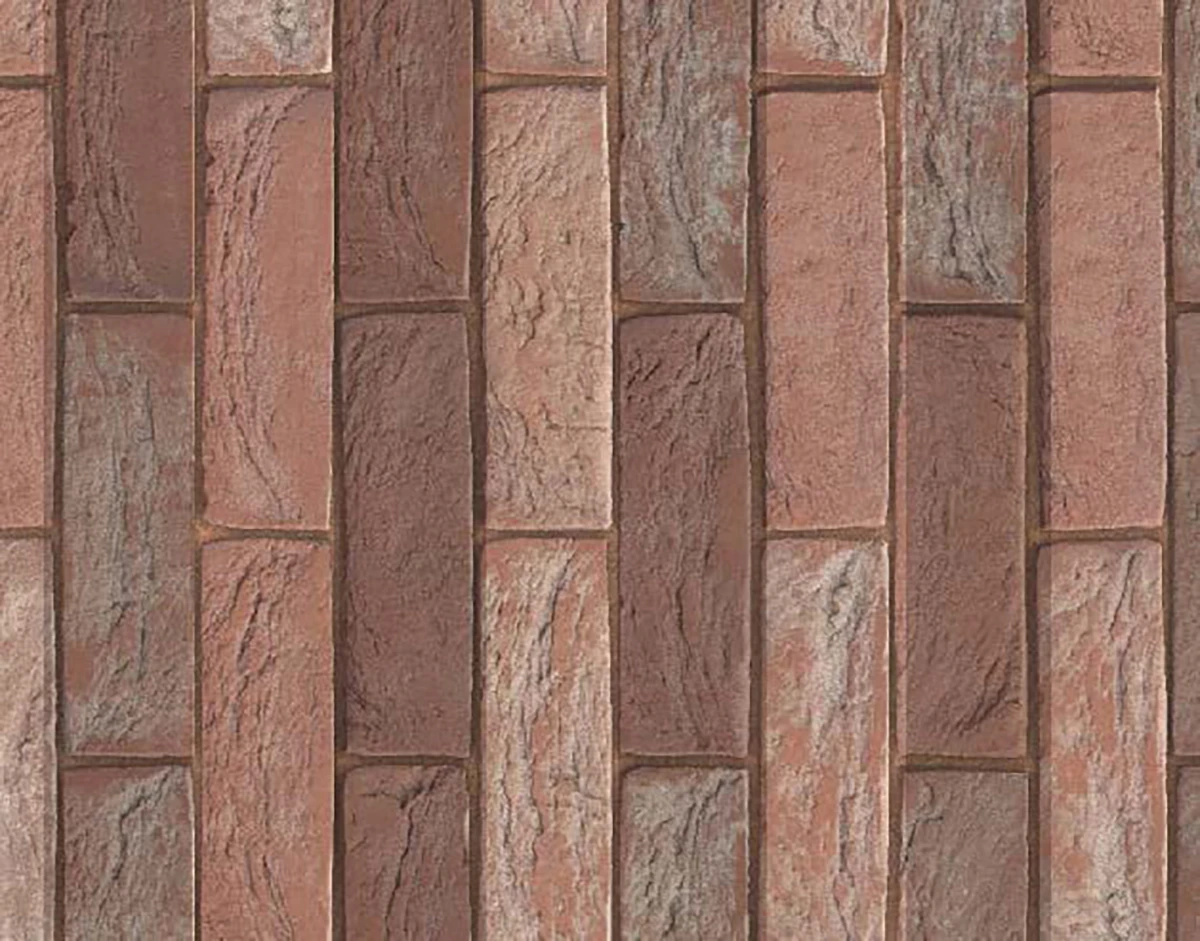
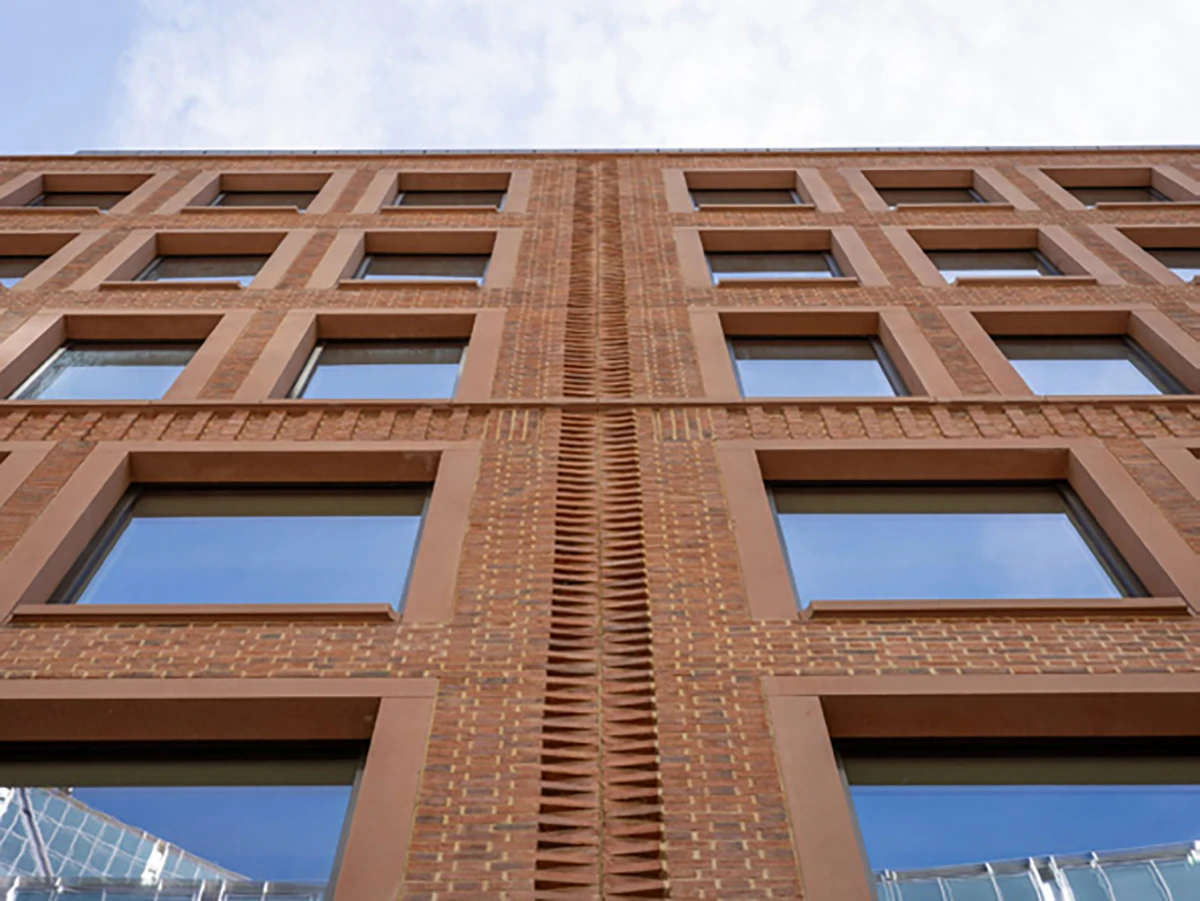
Brick base material palette
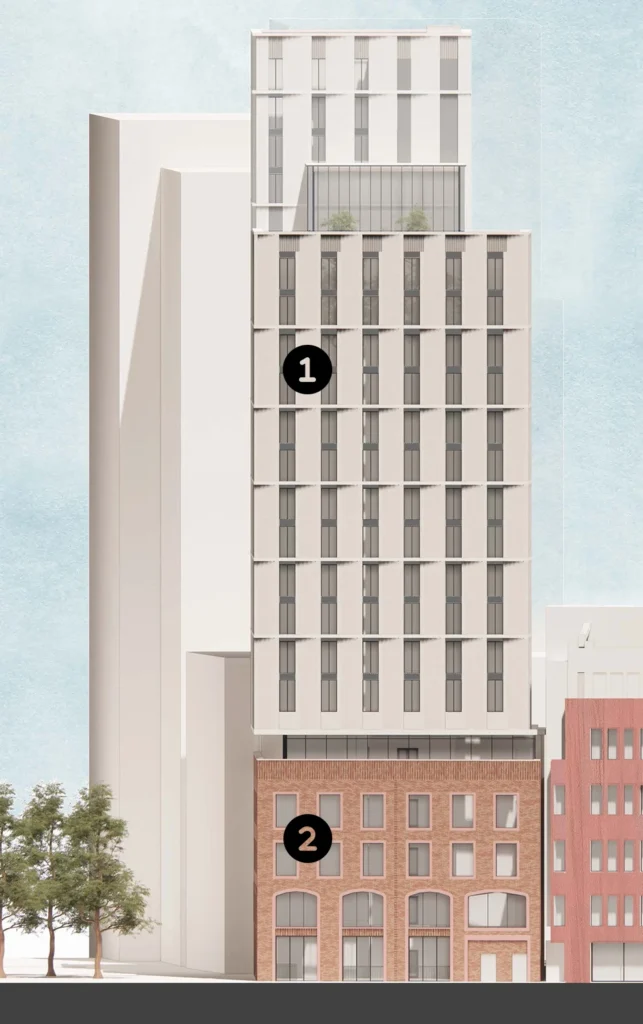
Photo of the existing level change for Mansell Street
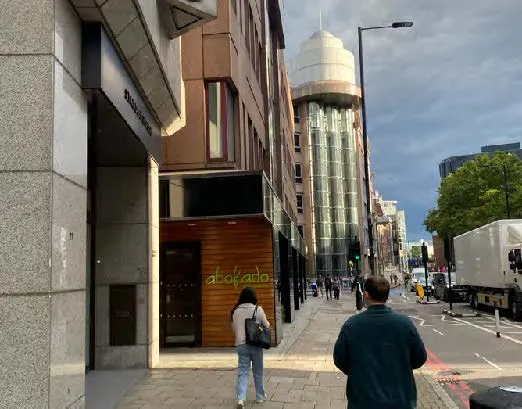
Photo of the existing level change for Mansell Street
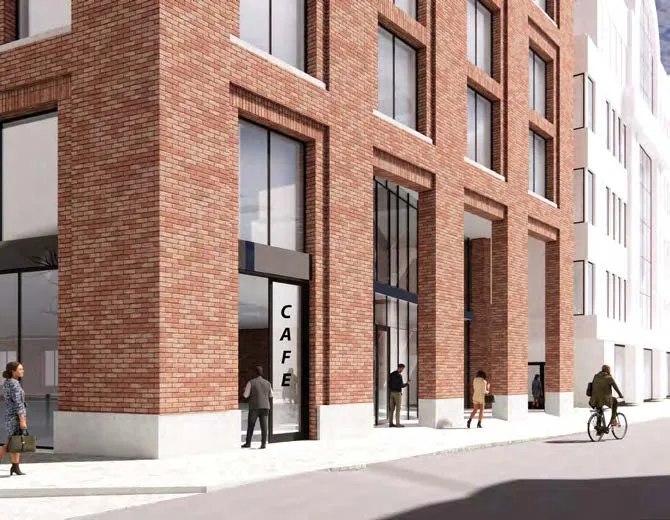
Photo of the existing level change for Mansell Street
Two storey set back delineates the commercial entrance and creates a colonnade which connects to the set back entrance to the neighbouring restaurant.
Existing Public Realm
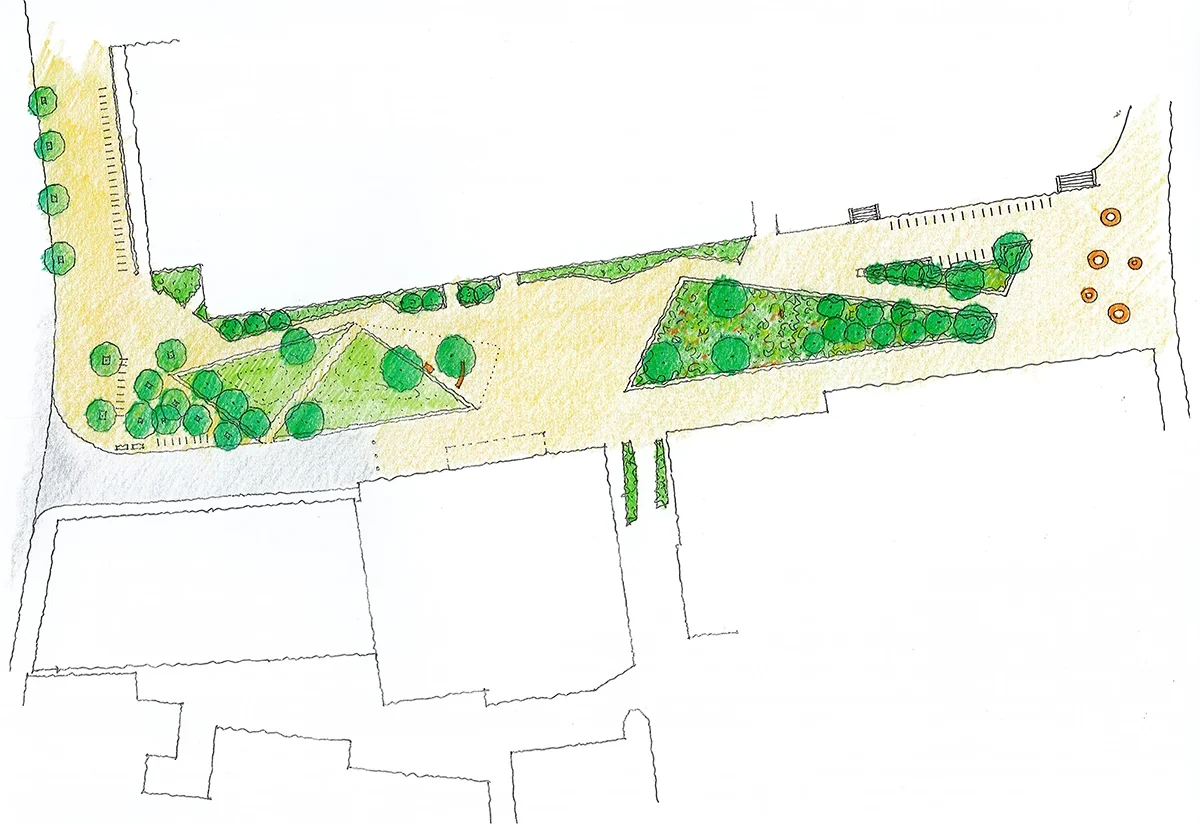
The public square on Braham Street is a pedestrianised plaza providing open space within the dense urban fabric of Aldgate. Defined by its paving, seating areas, and tree planting, the square offers a welcome pause between surrounding offices, transport connections, and residential streets.
With the introduction of the Transport Workers’ Memorial, the square has taken on added civic significance, becoming a place of remembrance.
The square does, however, face some challenges, including limited active frontage along its northern and southern boundaries and daytime vehicuar traffic associated with the servicing of Standon House.
Aldgate Connect Business Improvement District (BID) engaged Gensler to develop a public realm vision and strategy for the wider Aldgate BID area. This included concepts for pedestrian improvements, streetscape enhancements, and public realm upgrades, developed in close consultation with stakeholders. Our scheme aims to support and facilitate the implementation of this vision.
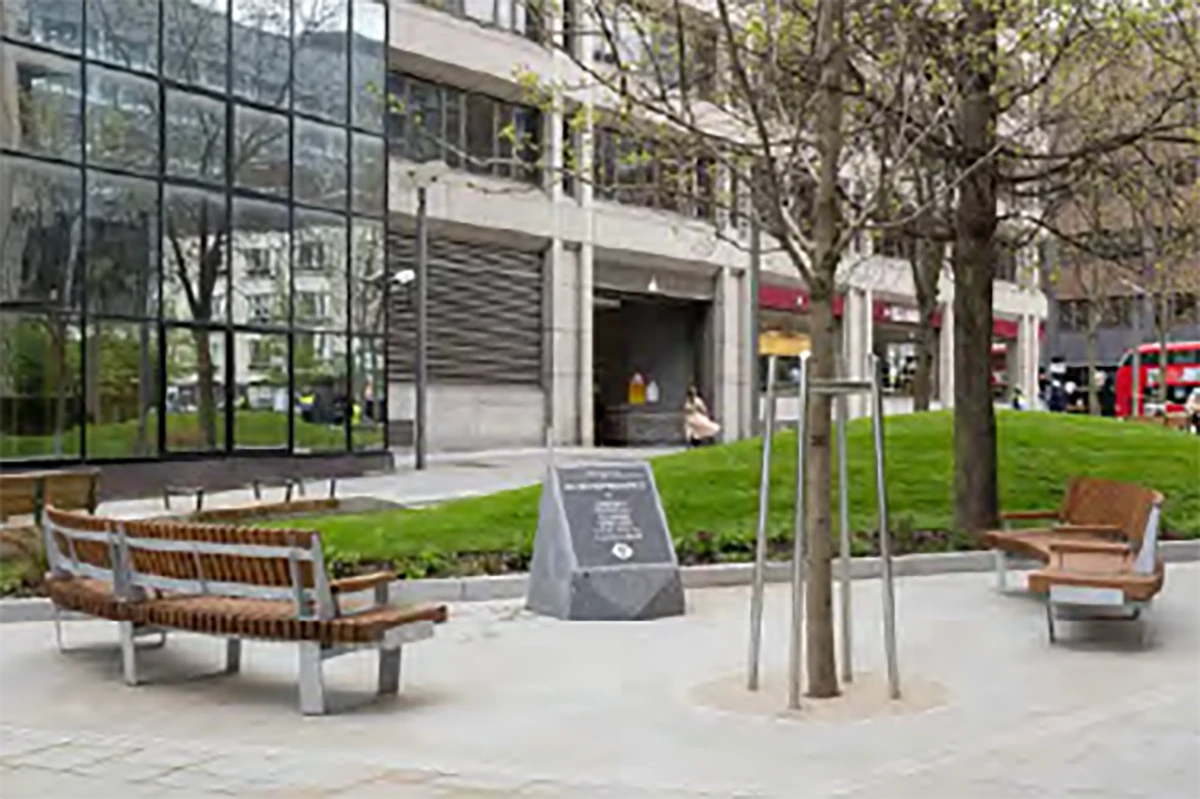
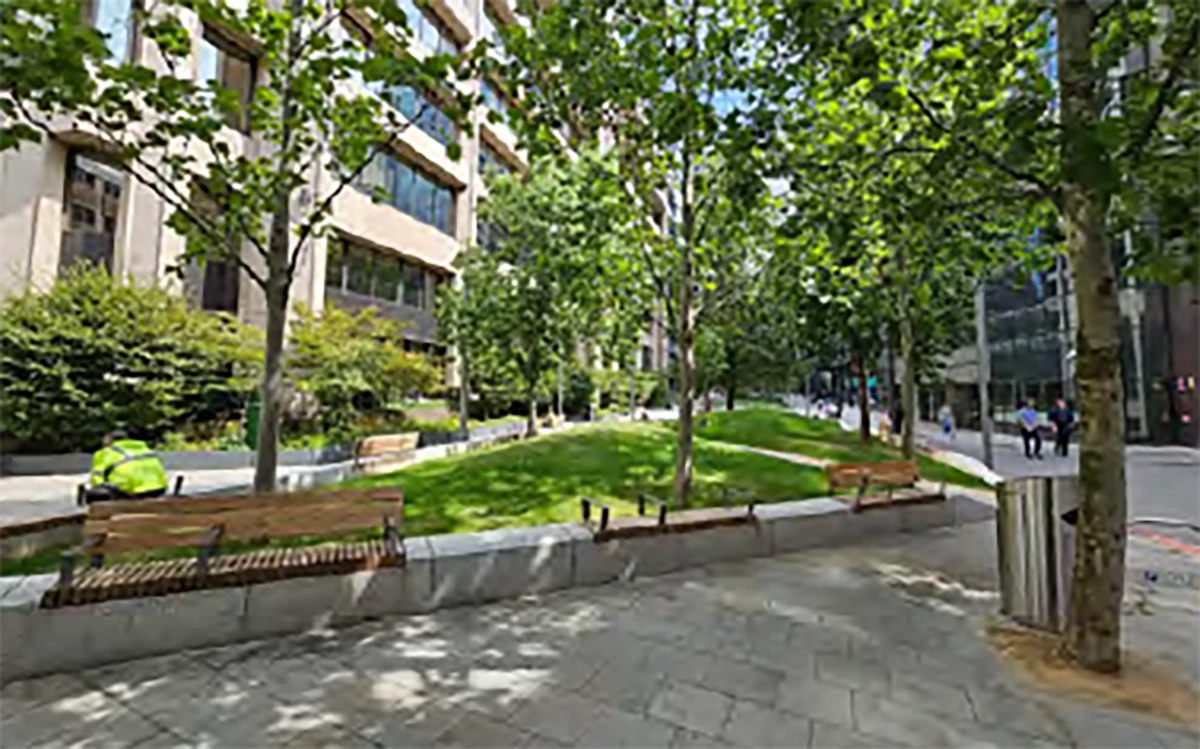
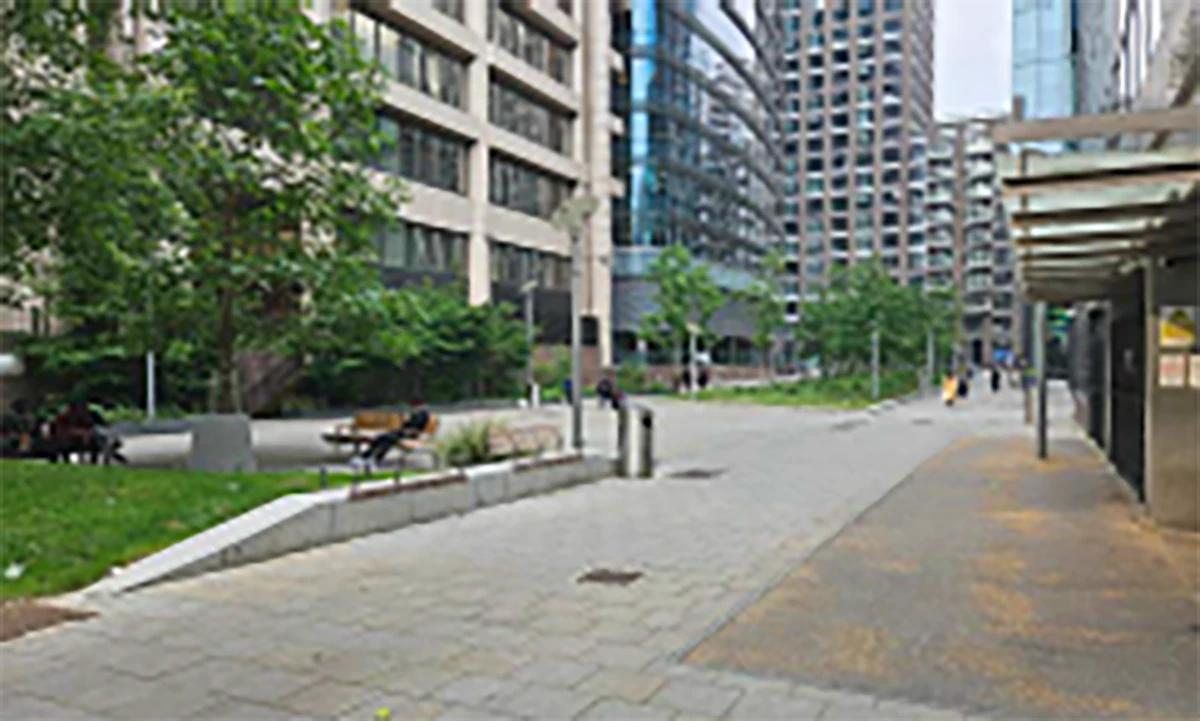
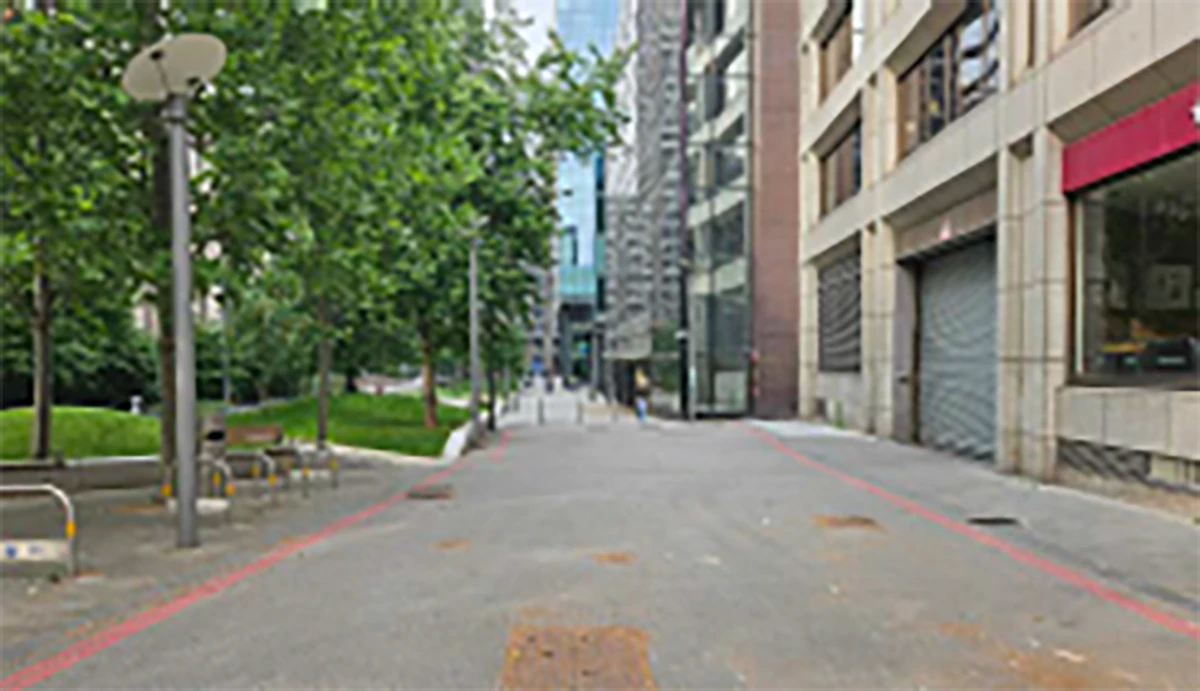
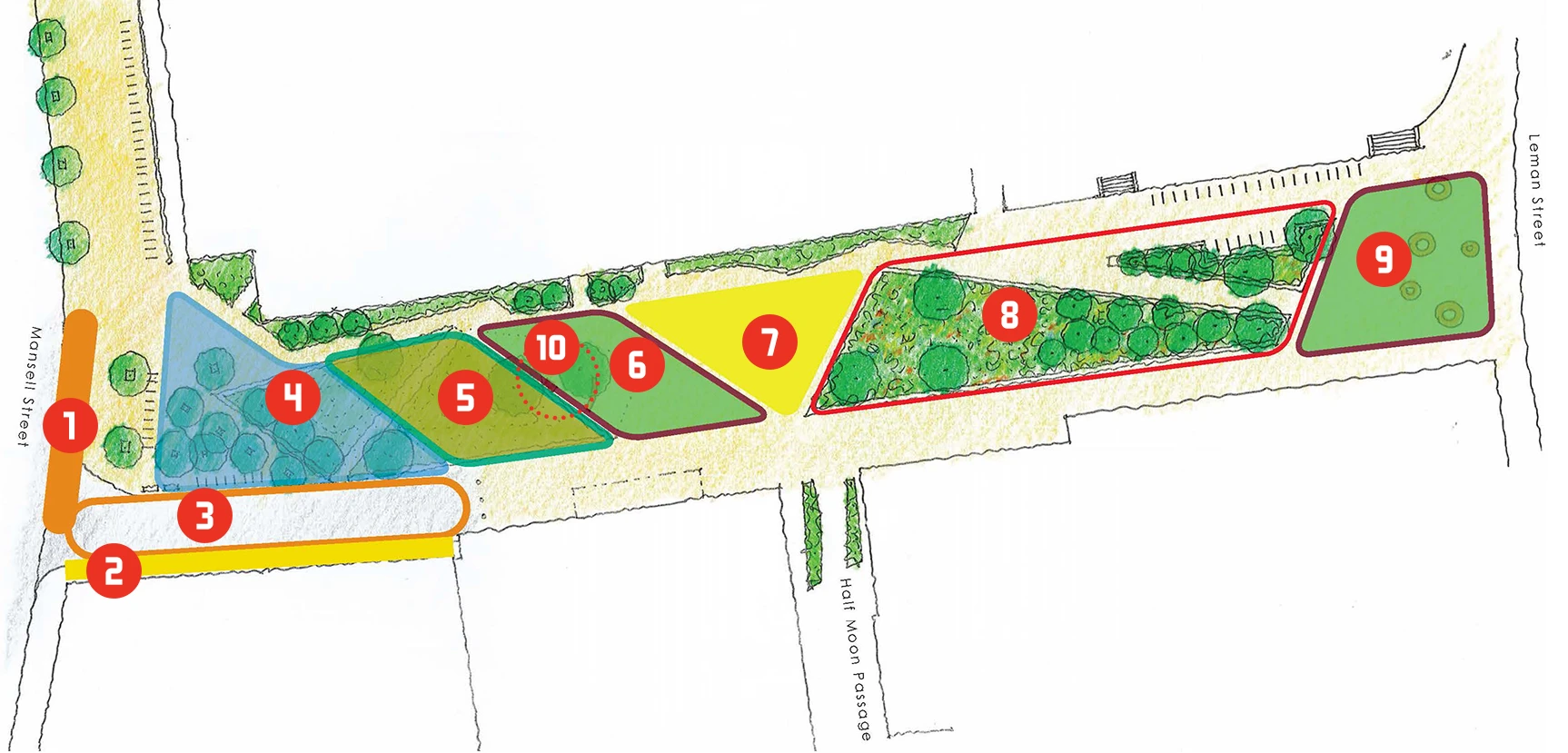
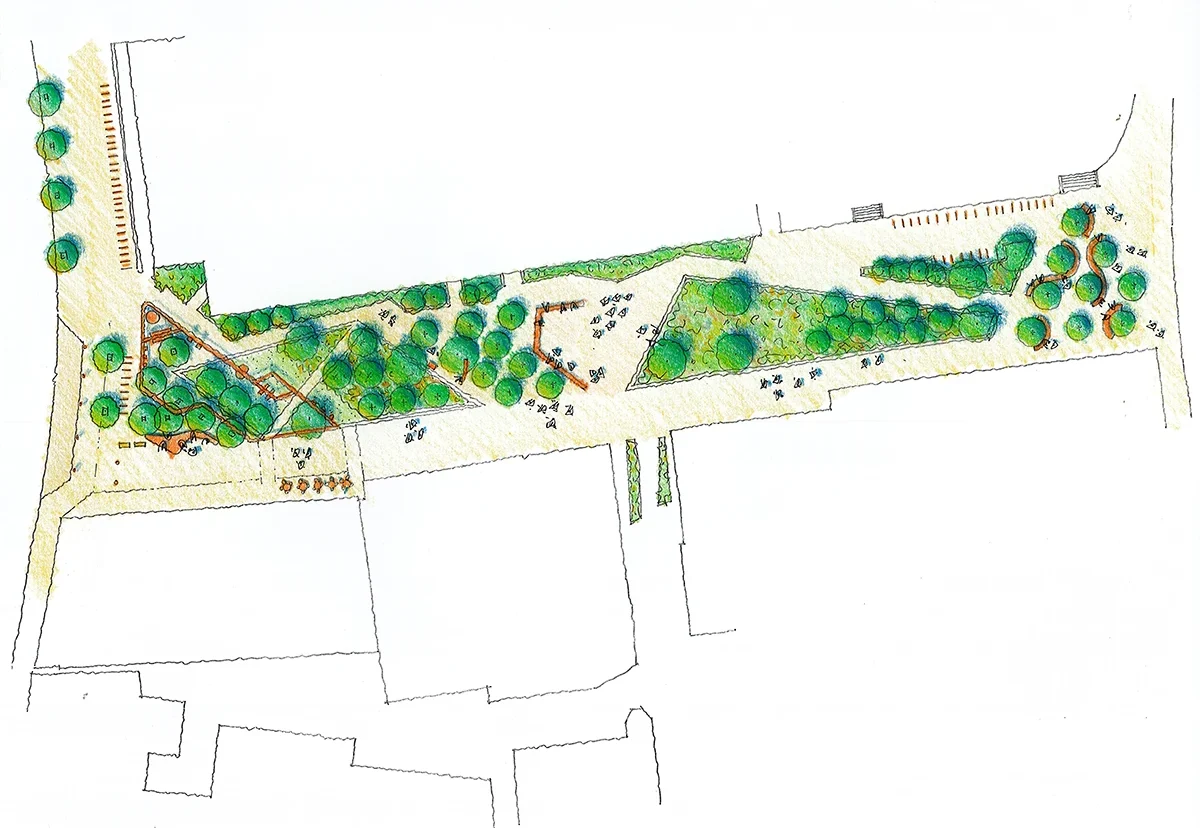
We have taken the opportunity to look afresh and reimagine Braham Street Park, to explore what changes could be made to improve the biodiversity and create a place that is more inviting and where visitors would wish to linger. New tree and perennial planting is proposed to replace some lawn areas, creating a more visually interesting landscape while providing a respectful separation around the memorial. The park’s biodiversity will be enhanced, and its amenity value improved with the introduction of a large-scale play area and an art feature at the western end.
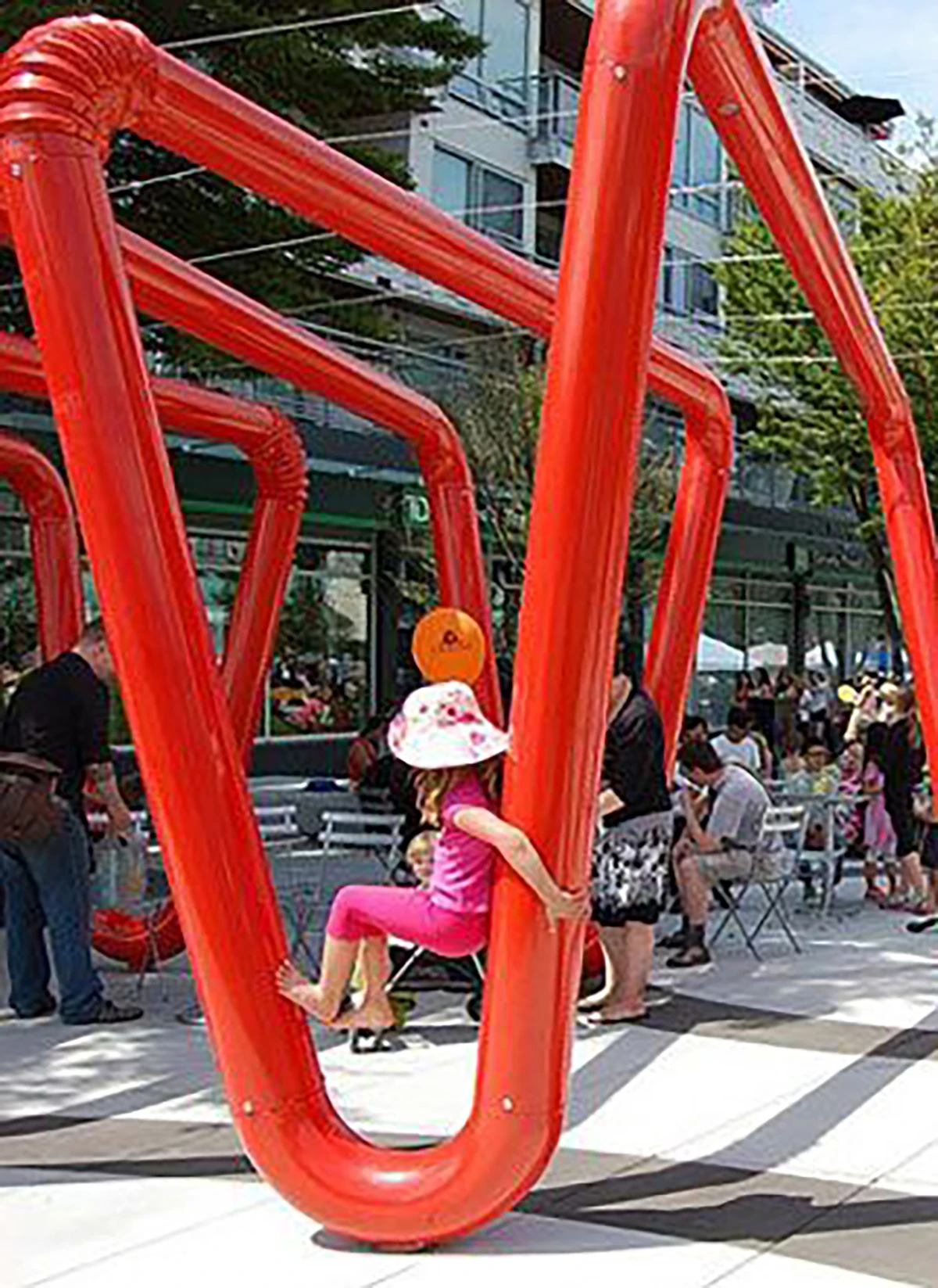
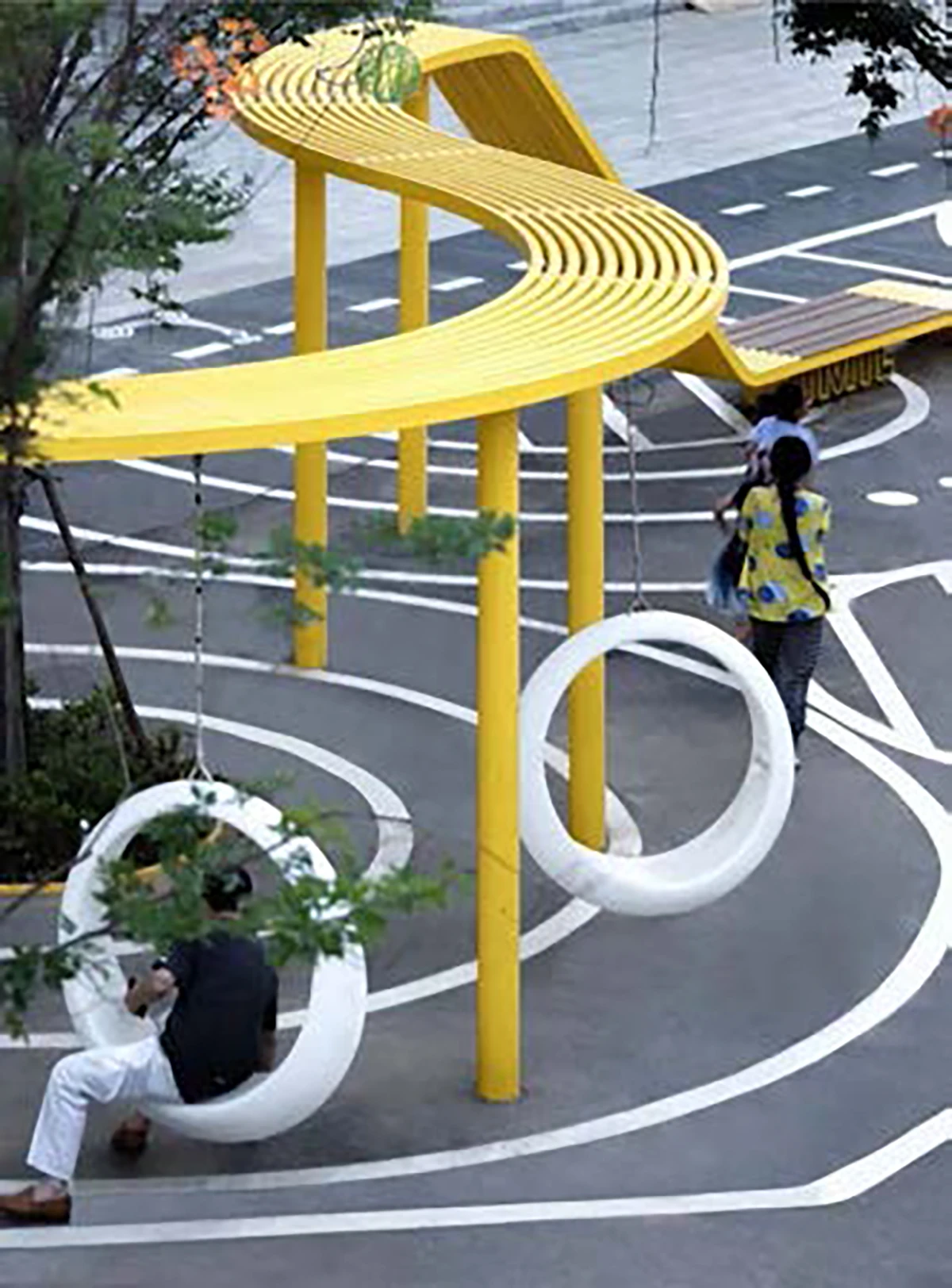
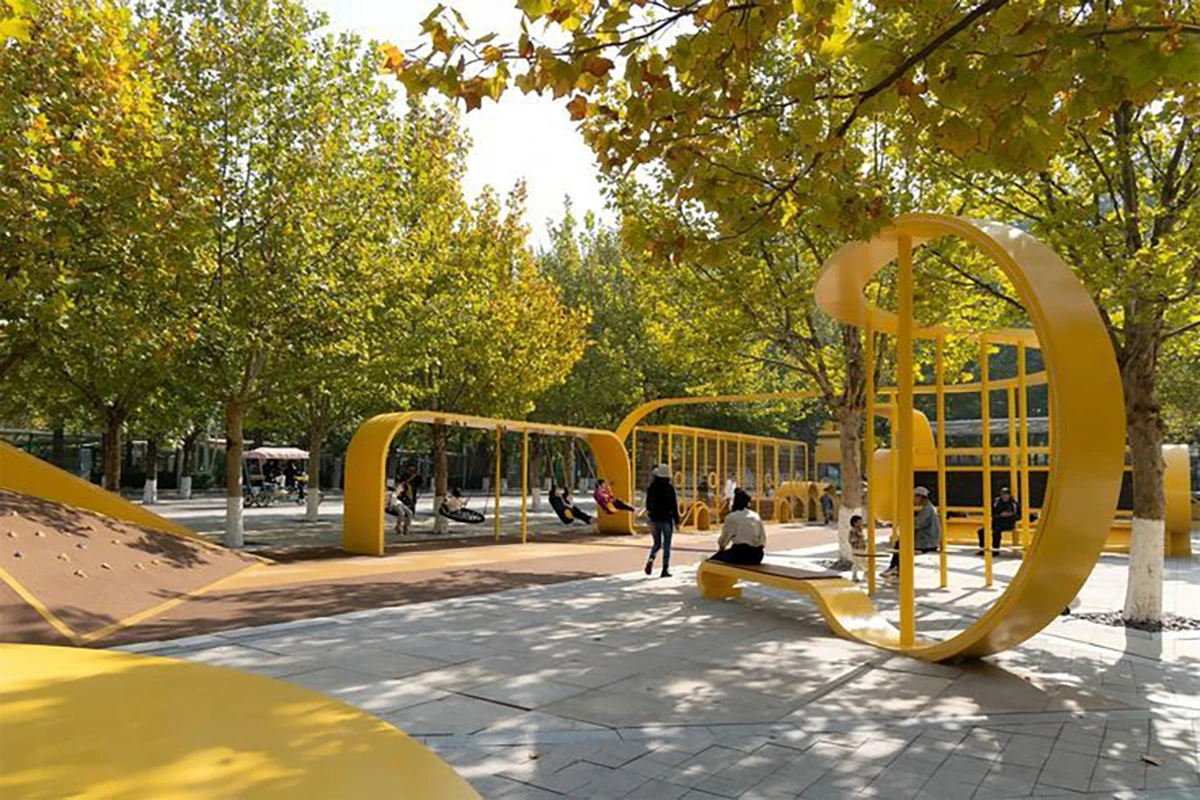
Introducing fun, vitality and entertainment into Braham Street Park
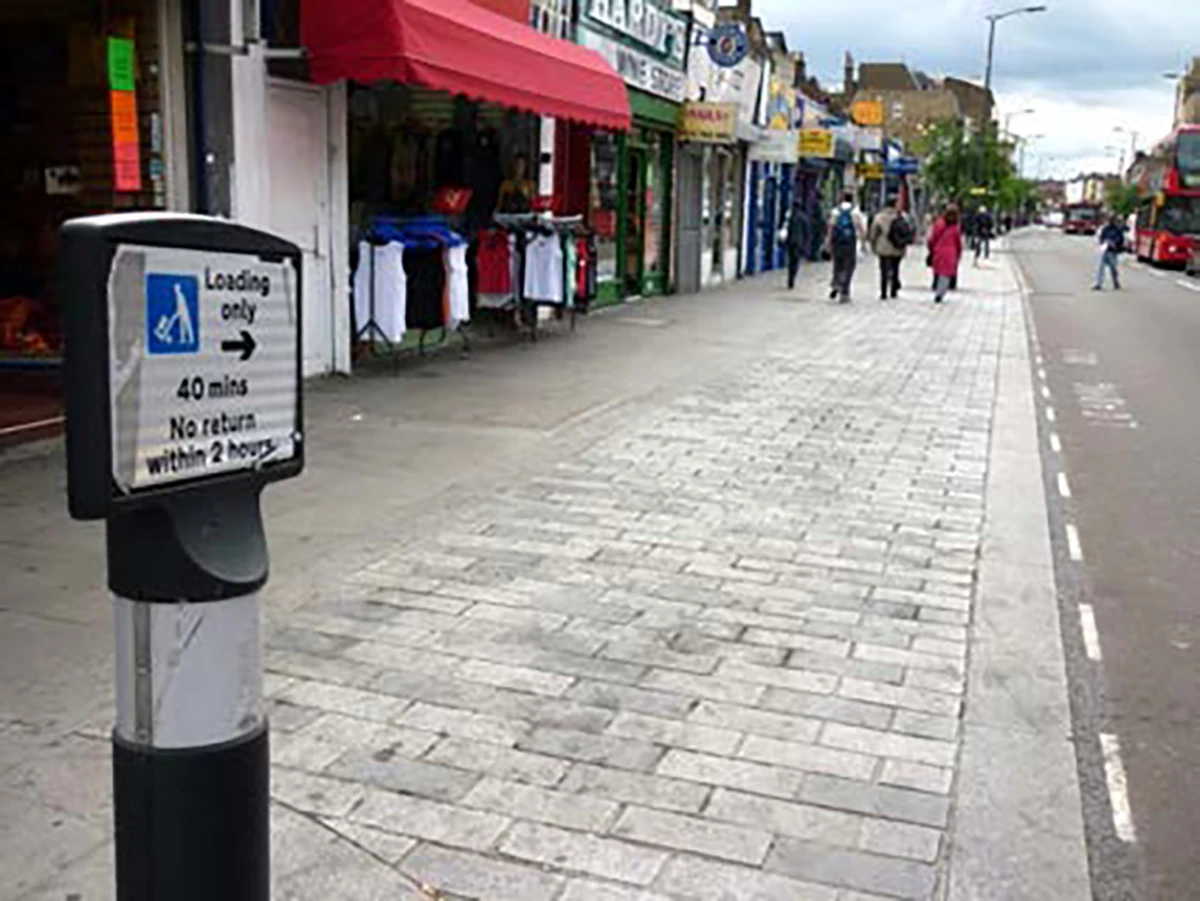
Paving approach to service bay

Feature seating opposite hotel
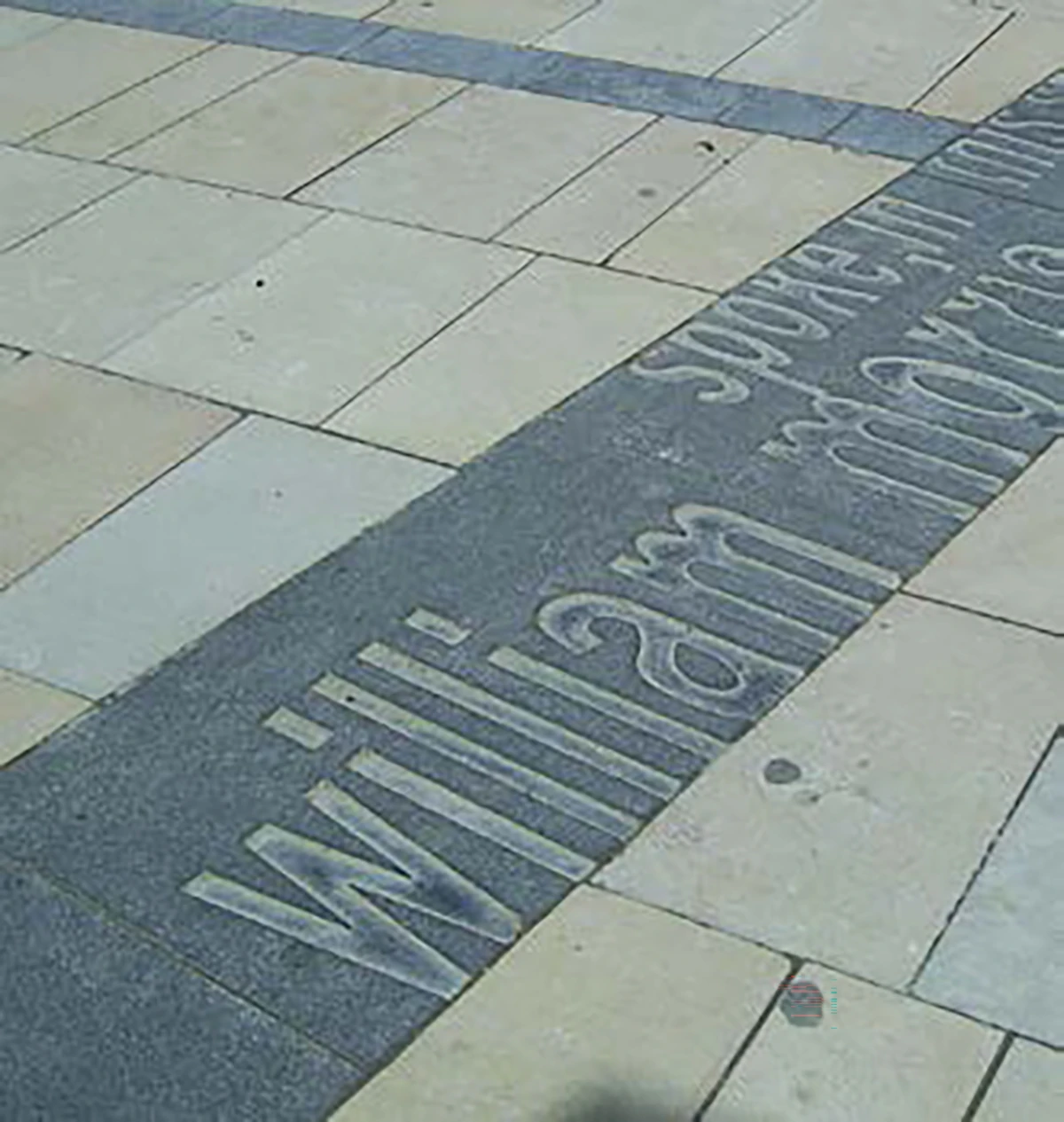
Typical in ground sign at entrance
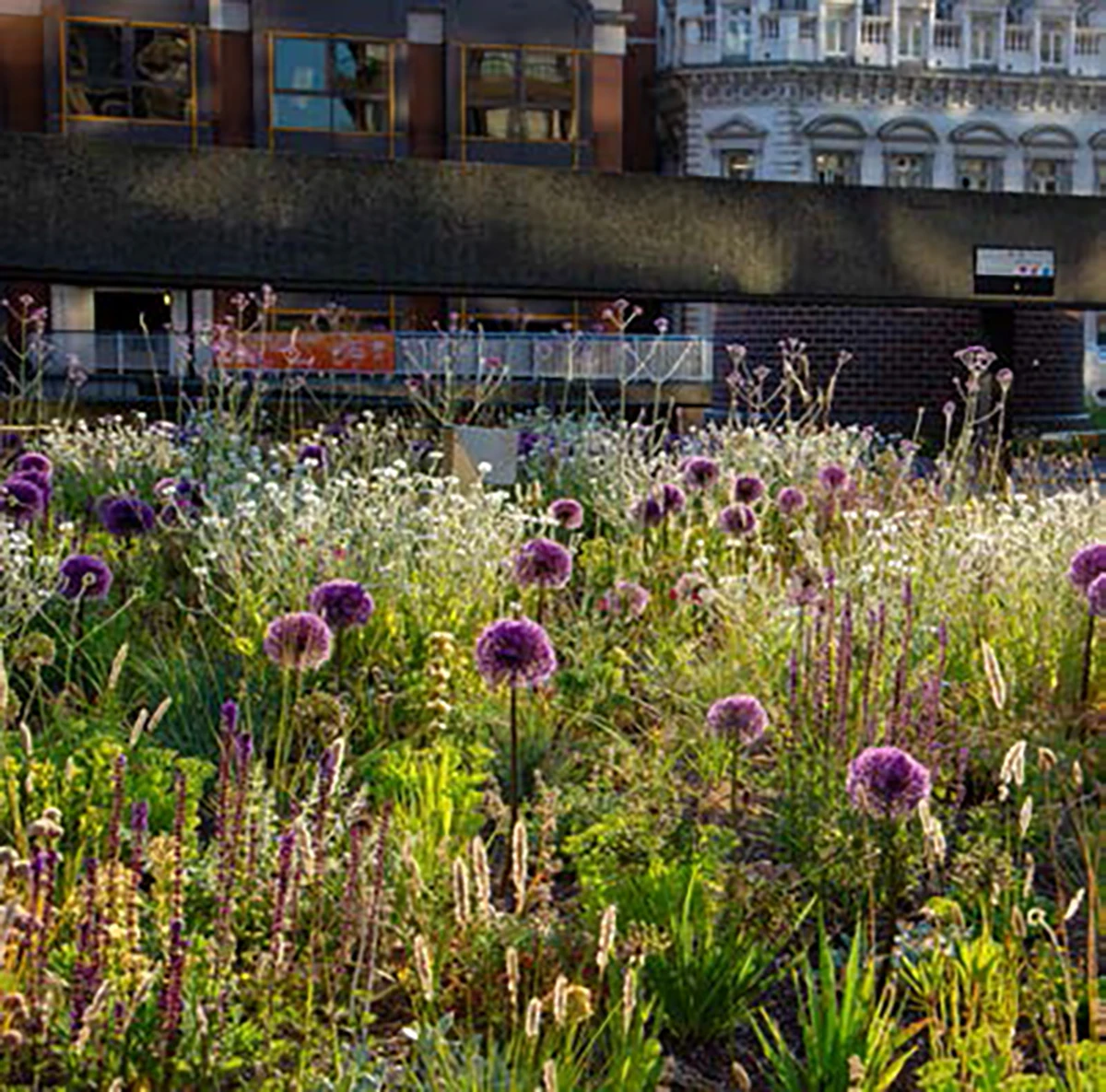
Varied perennial planting
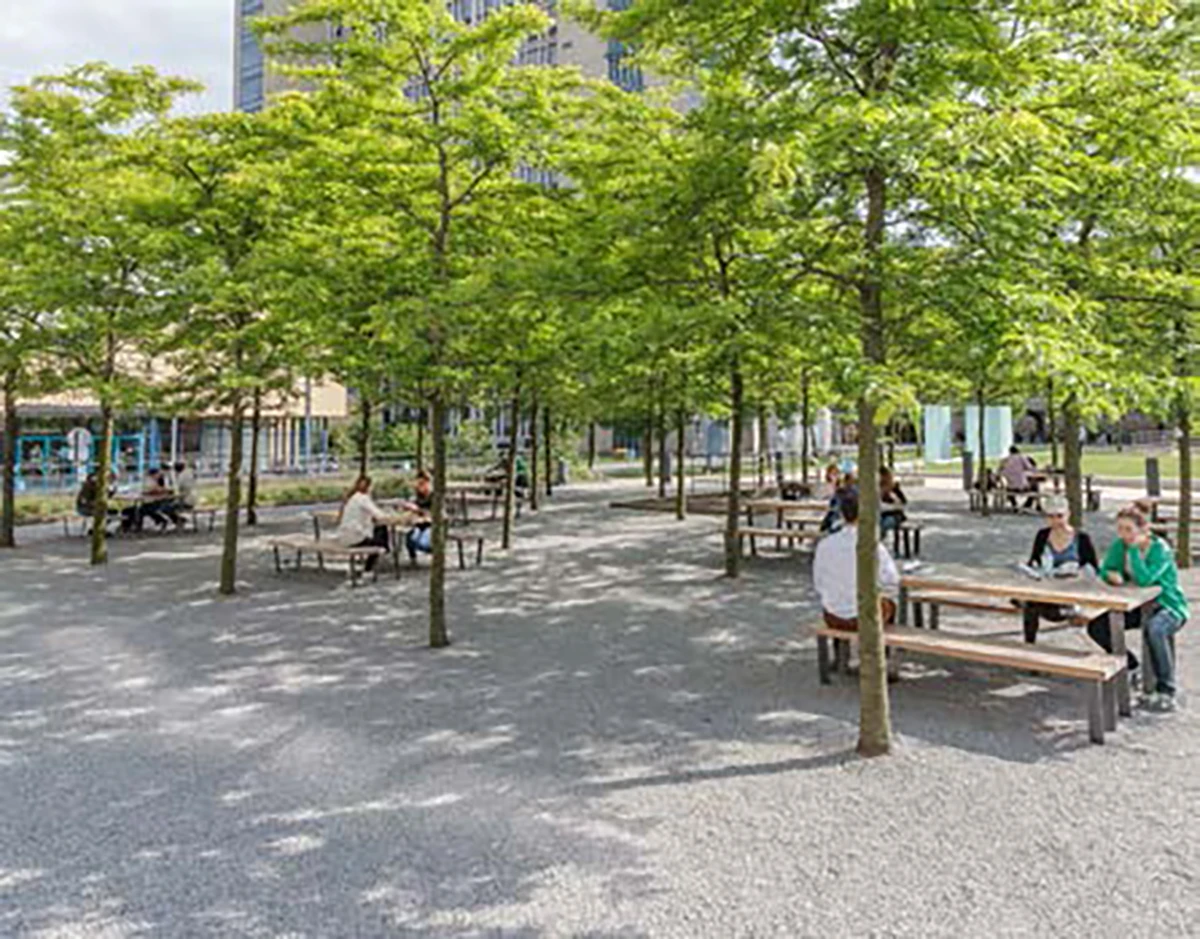
Grid of trees to increase canopy cover










Public Realm
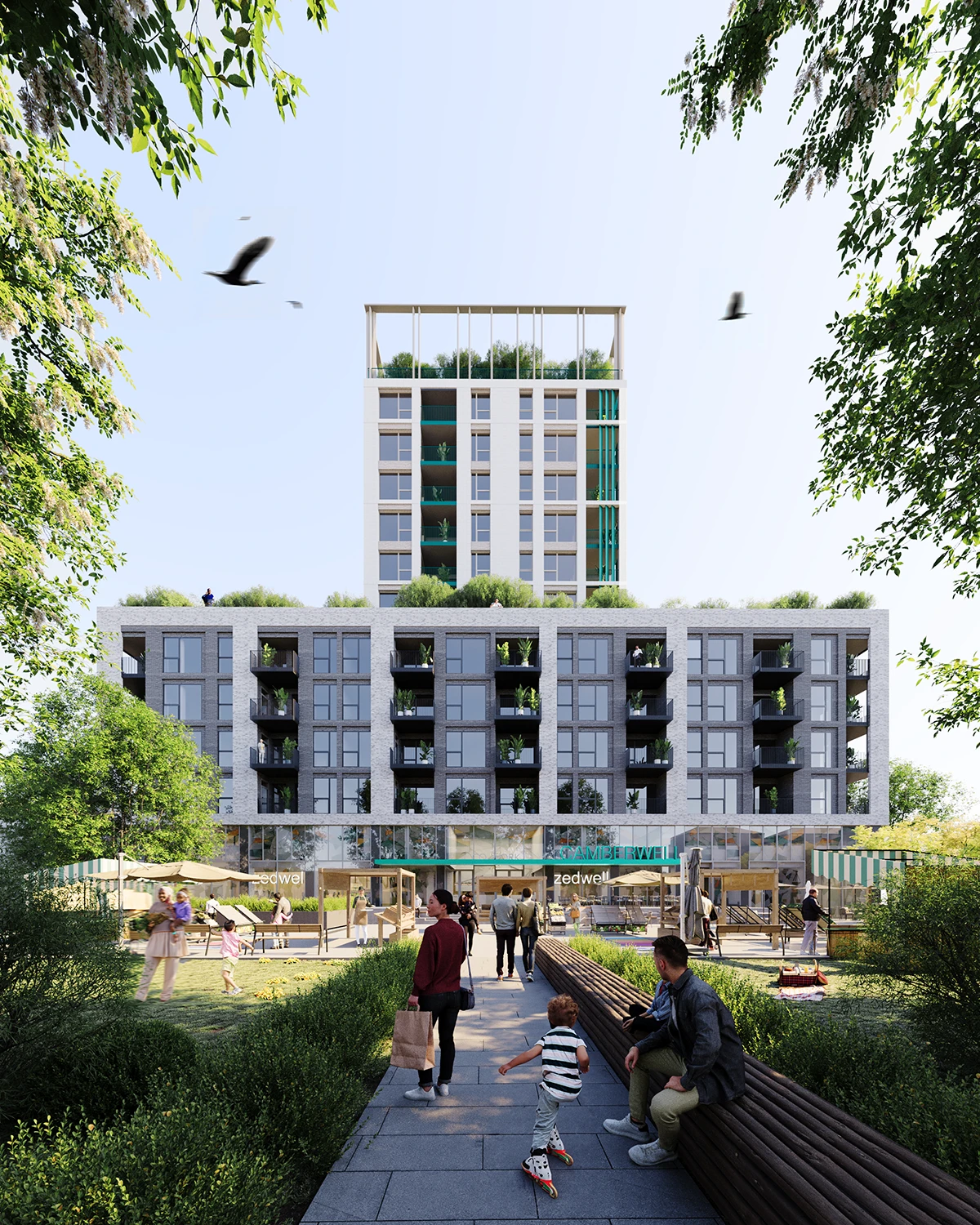
Improved public realm along Braham Street with new landscaping treatment to create an inviting and vibrant area.

Active Frontage
An active frontage alongside Braham Street with the hotel café and terrace to bring activity alongside the new landscape.

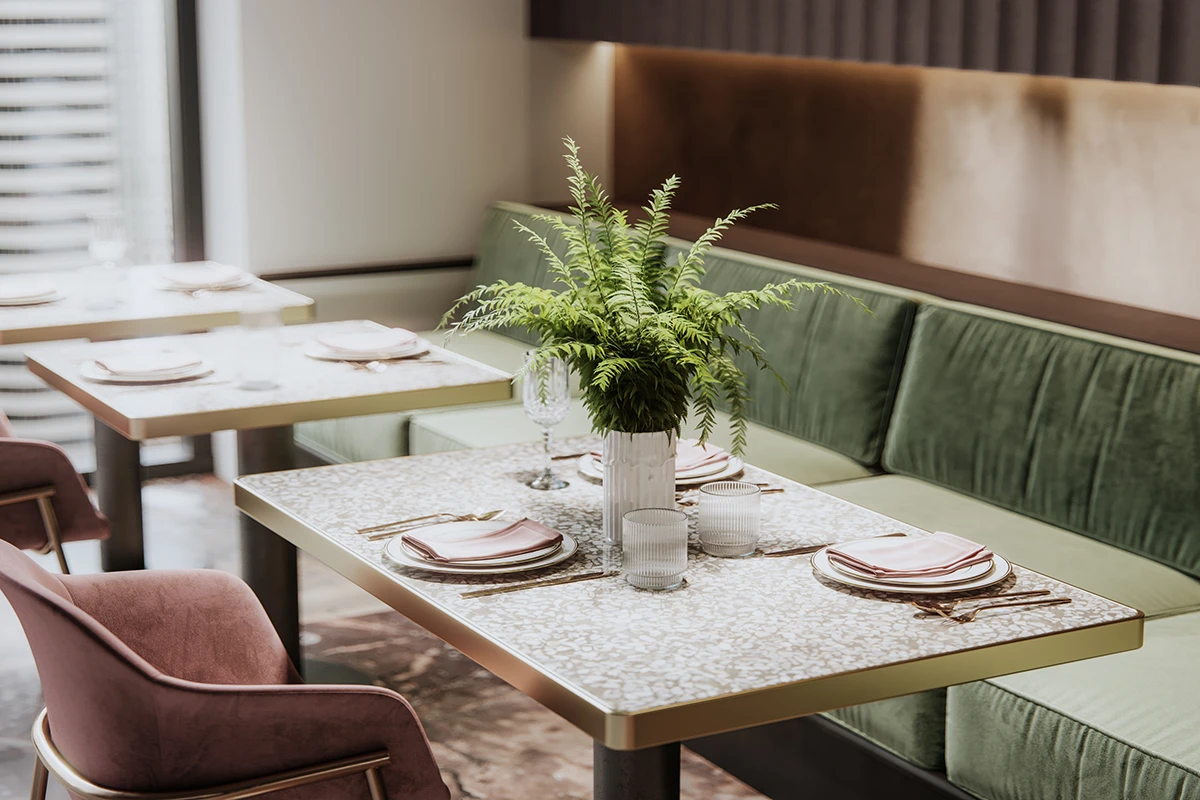
Premium Hotel Accommodation
247 new hotel rooms for visitors and employment generating opportunity.

Higher Quality Office Space
The scheme reprovides and exceeds the existing office space provision with an increased thermal performance and quality proposed.

Public Realm
Improved public realm along Braham Street with new landscaping treatment to create an inviting and vibrant area.





Standon House Ltd. has assembled an extensive and specialist planning team to bring forward proposals to redevelop Standon House, 21 Mansell Street, London E1 8AA.
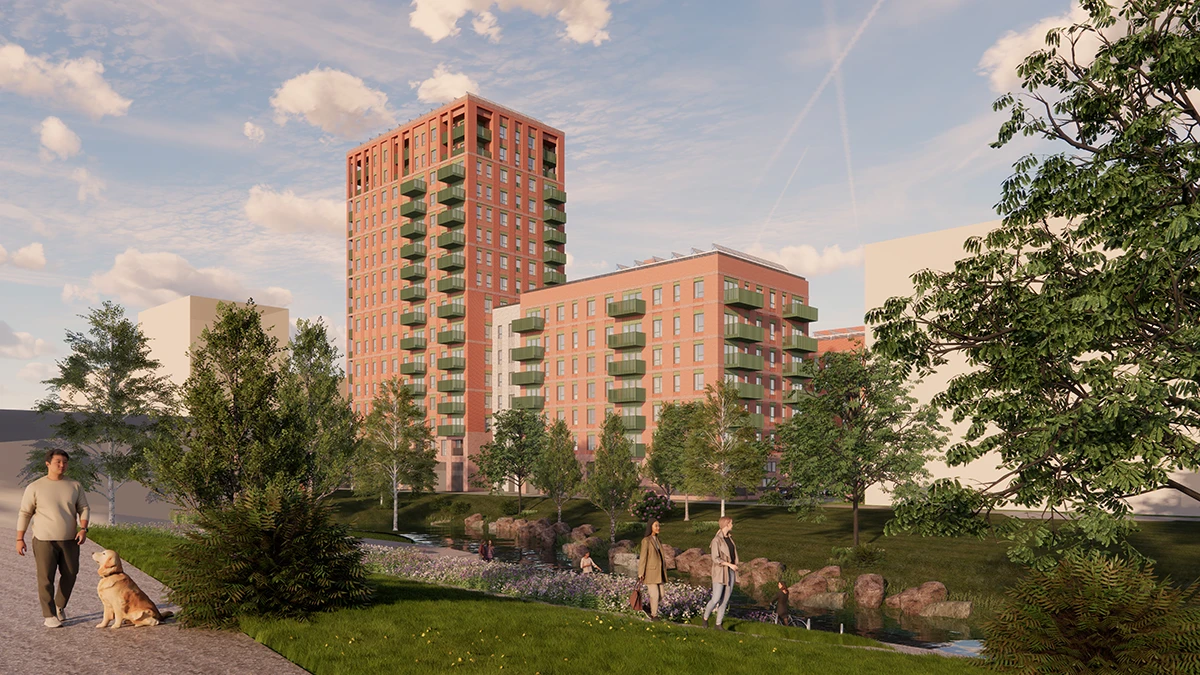
Ackroyd Lowrie is an innovative, East London based architectural practice committed to delivering high quality urban environments that provide inspiring places to live, work and play. The practice is known for bringing creative, cultural and commercial uses together in spaces that have unique character and sense of place.
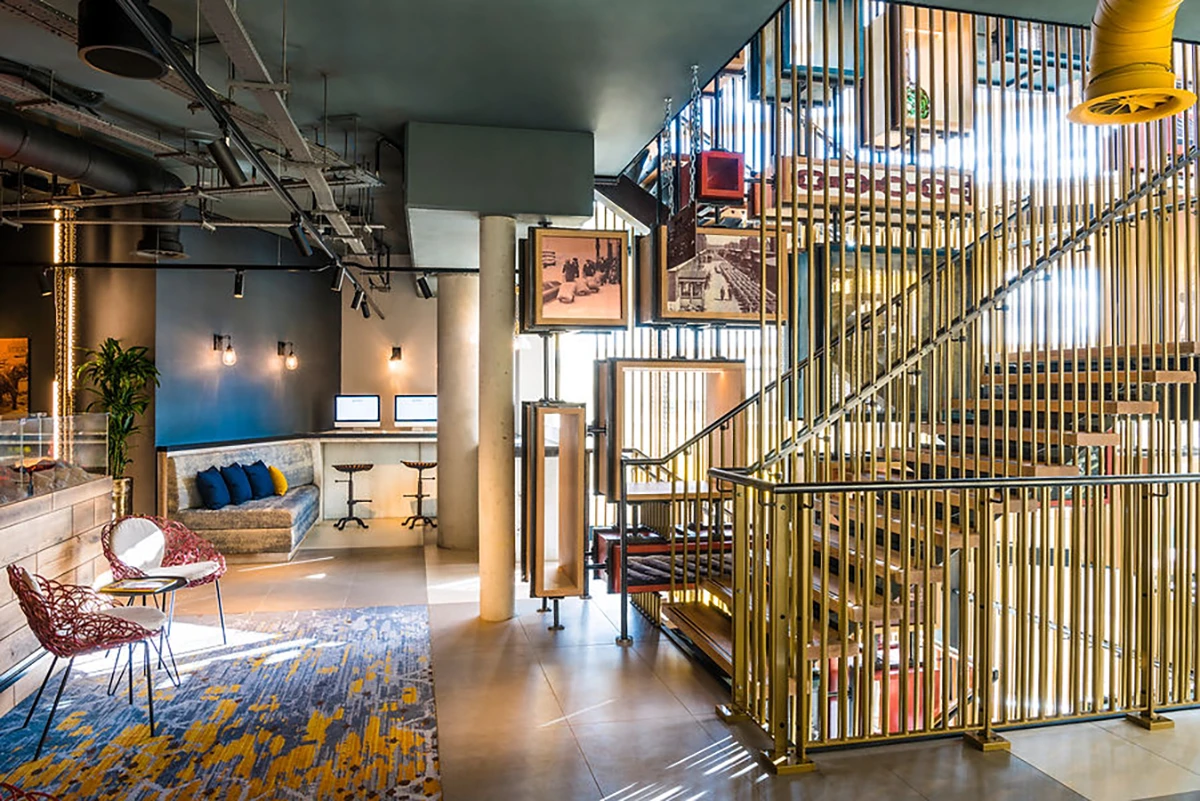
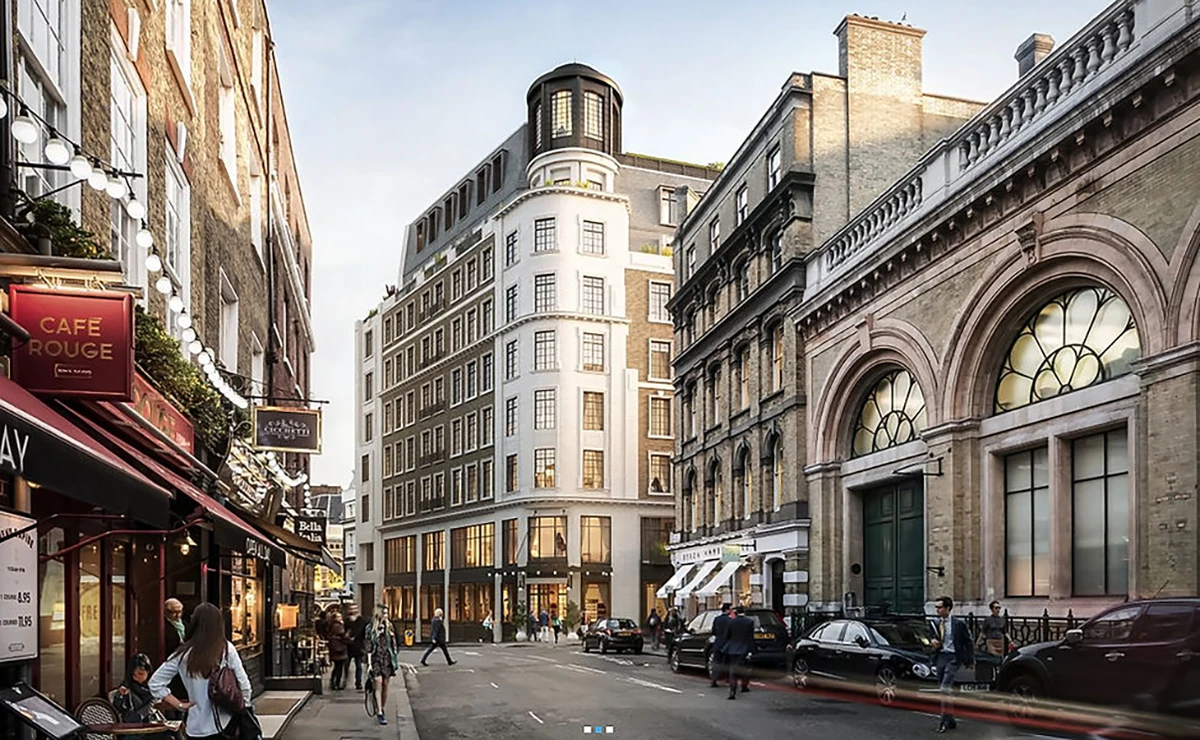
LRW is an architectural practice with extensive experience in the hotel, residential and commercial sectors, designing and delivering large scale projects for many years. The practice is known for its technical expertise and ability to take complex schemes from concept through to completion. On this project, LRW is leading the overall design coordination to ensure the client’s aspirations are realised in a viable, efficient and high-quality building.
Ackroyd Lowrie
Ackroyd Lowrie
LRW
LRW
Full Team:

Planning Consultant

Building Design and Co-ordination Lead Architect
Planning and Envelope
Lead Architect
Principal Designer BSA

Project Manager

BREEAM Specialist

Structural Engineer

Investment Advisor

M&E Consultant

Daylight and Sunlight Consultant Wind Consultant

Landscape Architect

Fire Consultant
Cost Consultant

Arboriculture Consultant

Landscape Architect

Flood Risk and Drainage

Biodiversity and Ecology

Energy and Sustainability

Health and Noise
Consultant

Utilities Consultant

Air Quality Consultant

Heritage Consultant

Transport and Refuse
Consultant

Visualisers
Target submission of the application
Target Start Date on Site